Acreage in the foothills is one of the best ways to get space near Sacramento. Here is what to verify before you buy, so the land you choose is land you can actually build on.
Shingle Springs sits in the Sierra foothills about 30 miles east of Sacramento, along the Highway 50 corridor toward Lake Tahoe. It is one of the few places this close to the city where buyers can still find multi-acre parcels with room for horses, a workshop or a multi-generational home.
But rural land works differently from a lot in a subdivision. Most parcels here rely on a private well and a septic system instead of city water and sewer, and those two things alone can decide where a home can go, how big it can be, and whether a parcel is buildable at all. Below is what we tell every buyer to check.
1Water: The Well
Most Shingle Springs parcels are served by a private domestic well. A new well needs a permit from El Dorado County Environmental Management, and if a home will be served by an individual well, the county requires that well permit to be finalized before it approves the building permit.
Well production in the foothills varies from parcel to parcel, so a drilled well is a major head start. It also means there is real data to review instead of guesswork.
Ask for:
- The well completion report (driller’s log) showing depth and construction
- A recent flow or yield test showing gallons per minute
- A water quality test. The county’s well guide recommends testing at least annually for total coliform bacteria, nitrate and electrical conductivity.
2Septic: The Perc Test
Without public sewer, a home needs an onsite septic system, and that starts with a percolation (perc) test and soil evaluation. In El Dorado County, that testing must be done by a registered civil engineer, geologist or registered environmental health specialist.
The county sets minimum standards for where a leach field can go. For example, there must be at least five feet of soil below the bottom of a leaching trench, at least five feet to the highest anticipated groundwater, and the ground slope can’t exceed 30 percent. Septic systems should also sit at least 100 feet from a domestic well and downhill from it.
The result: where the septic system can go often determines where the house can go. A completed perc test tells you that early, before you pay an architect to design around the wrong spot.
Ask for:
- The perc test and soil report, and who performed it
- Where the approved leach field and replacement area are located
- Whether the results support the size of home (number of bedrooms) you have in mind
3Power and Utilities
Power at the street is not the same as power at your building site. Running service a long way up a driveway can add real cost and time.
Ask: Where does power stop today, how far is it from the likely building pad, and what internet options serve the parcel?
4Fire Safety, Setbacks and Insurance
Foothill living comes with wildfire planning. California law requires at least 100 feet of defensible space around structures (not beyond the property line), and the El Dorado County Fire Protection District calls for a minimum 30-foot setback for buildings from property lines or the center of the road. Parcels in designated fire hazard areas also follow California’s wildfire-resistant building standards, which affect materials like roofing, siding and vents.
Ask: Is the parcel in a designated fire hazard area, what does that mean for construction, and what will homeowners insurance cost? Get insurance quotes early. It is one of the most overlooked steps in buying rural land in California.
5Access, Zoning and CC&Rs
Check how the parcel is reached and who maintains the road, what the zoning allows (animals, a second unit, a barn or shop), and whether there are CC&Rs or HOA rules, especially in a gated community. The El Dorado County Planning Division can confirm zoning for any parcel.
6Builder and Timeline
Even with every box checked, the biggest variable is who builds the home and how long it takes. Ask for a realistic timeline from purchase to move-in, and line up a builder before you close, not after. For a deeper look at this decision, see our guide, Land vs. Ready-to-Build: What Buyers Need to Know Before Building in El Dorado Hills.
Shingle Springs Land Checklist
Item | What to ask for | Why it matters |
|---|---|---|
Well | Driller’s log, flow test, water quality test | Confirms you have enough safe water for the home you want |
Septic | Perc test, soil report, leach field location | Determines where the house can go and how big it can be |
Power | Where service ends and distance to building pad | Long utility runs add cost and time |
Fire | Fire hazard designation, setbacks, insurance quote | Affects design, materials and ongoing cost |
Access and zoning | Road maintenance, zoning, CC&Rs | Defines what you can build and how you get there |
Builder | Builder, plans and timeline | The difference between owning land and moving in |
Where Sierra View Estates Fits
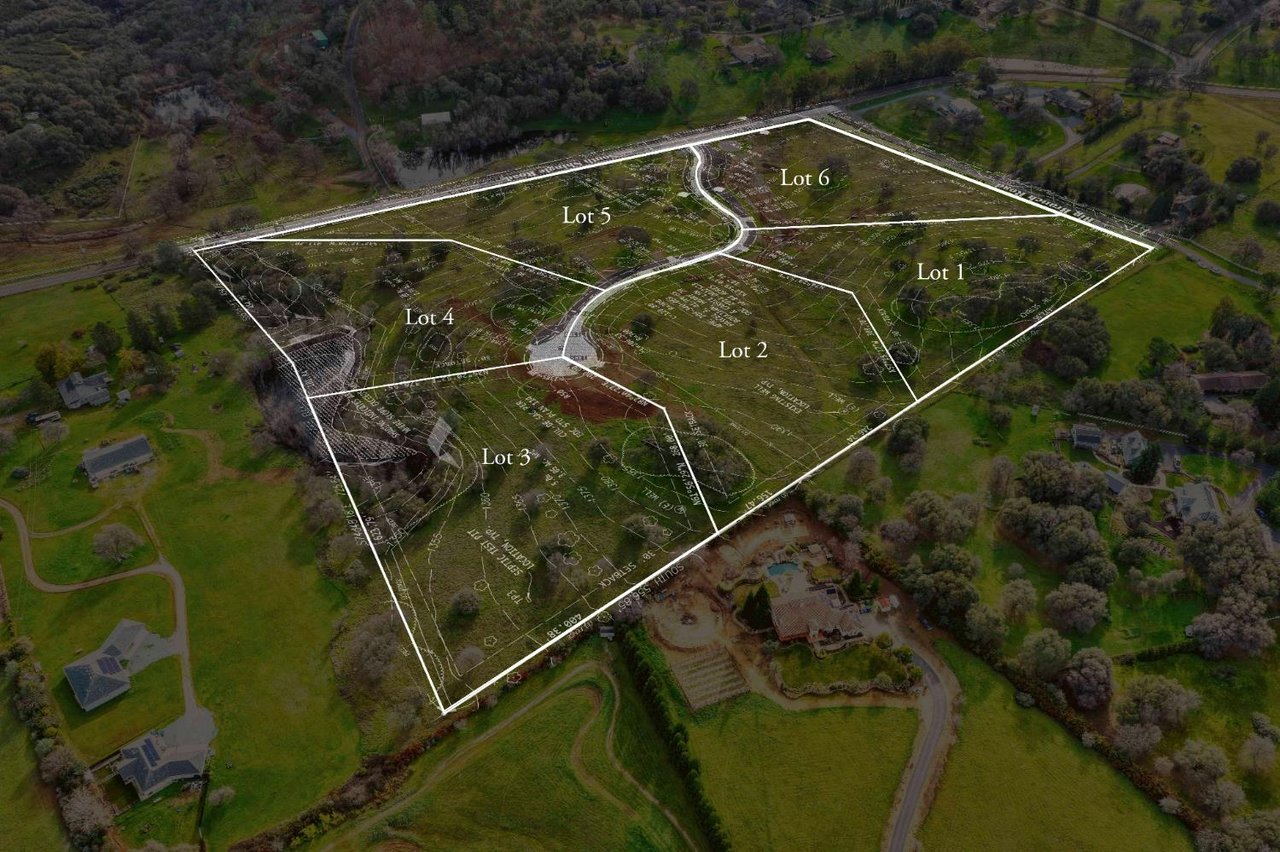
Sierra View Estates is a new gated community of six five-acre homesites on a single private cul-de-sac in Shingle Springs, co-listed by Tiegen Boberg and Lisa Paragary of Nick Sadek Sotheby’s International Realty. The hardest early steps are already done:
- Drilled well on each lot
- Completed perc testing
- Power in place
- Panoramic Sierra Nevada views, with room for an equestrian estate, multi-generational home or fully custom build
Buyers keep full design freedom, and we can introduce you to builders in our local network and stay with you from contract to move-in.
Prefer a golf-community setting with a builder already lined up? See our new-construction homesites in Serrano in El Dorado Hills.
Frequently Asked Questions
Do most Shingle Springs properties use wells and septic?
Many rural parcels in Shingle Springs rely on a private well and an onsite septic system rather than public water and sewer, so both should be verified before you buy.
Who performs perc tests in El Dorado County?
Percolation tests and soil evaluations must be performed by a registered civil engineer, geologist or registered environmental health specialist.
How far must a septic system be from a well?
El Dorado County’s well guide calls for a minimum setback of 100 feet between a septic system and a domestic well, with the septic system located downhill from the well.
How much defensible space is required around a home?
California law requires at least 100 feet of defensible space around structures, not extending beyond the property line.
What infrastructure is already in place at Sierra View Estates?
Each five-acre lot at Sierra View Estates in Shingle Springs has a drilled well, completed perc testing and power at the site.
County and state requirements change. Always confirm current rules with El Dorado County and your builder before you buy.
Thinking About Land in Shingle Springs?
We’ll walk you through the well, septic, fire and builder questions for any parcel you’re considering, including Sierra View Estates.
Tiegen Boberg · Broker Associate & Luxury Property Specialist
Nick Sadek Sotheby’s International Realty · CA DRE# 01964215
916.747.0773 · [email protected]