Seller Mistakes That Turn Buyers Away in El Dorado Hills
What seller mistakes cost you offers in El Dorado Hills and Granite Bay?
The seller mistakes that turn buyers away in El Dorado Hills and Granite Bay are overpricing against the wrong comparables, deferred maintenance that shows at first glance, disclosures that contradict your marketing, and weak presentation. All four are fixable before you list, and a local pricing review comes first.
Key Takeaways
- El Dorado Hills (El Dorado County), Folsom (Sacramento County), and Granite Bay (unincorporated Placer County) are separate pricing areas, so comparable sales screened by city name alone will mislead you.
- Buyers react to what they see in the first walk-through, including dated paint, worn flooring, neglected landscaping, visible roof or drainage issues, and unfinished repairs.
- A disclosure that conflicts with your listing materials damages trust faster than the underlying defect, and "sold as-is" does not let you conceal known problems.
- Showings without offers almost always point to price or condition, not a lack of marketing.
Does Overpricing Turn Buyers Away in El Dorado Hills and Granite Bay?
Yes. An asking price set above what comparable homes support is the single most common reason sellers turn buyers away in El Dorado Hills, and it works the same way in Granite Bay and Folsom. Buyers and their agents compare your home to the alternatives within hours of a listing going live, and a home that looks expensive for its condition gets skipped, not negotiated.
Why city-wide comparables mislead you
El Dorado Hills sits in El Dorado County, Folsom is in Sacramento County, and Granite Bay is an unincorporated Placer County community. Treating them as one pricing area is a mistake. Even inside a single community, the right comparables depend on the property itself.
- El Dorado Hills: older established neighborhoods versus newer construction, hillside or greenbelt exposure, views, solar arrangements, pools, gated communities, and association amenities all move value.
- Granite Bay: acreage, private roads, custom construction, outbuildings, well or septic systems, equestrian features, and lake or golf-course proximity can change buyer appeal materially.
- Folsom: floor plan, age, lot characteristics, and condition matter as much as the neighborhood name.
A pricing opinion built on "homes sold in the ZIP code" will miss all of that. Tiegen screens comparables by neighborhood, lot, age, floor plan, condition, and amenities before a number ever goes on a listing.
Why chasing the market down costs you
Tiegen's view is that pricing strategically from day one beats starting high and reducing later. The first stretch of a listing draws the most attention, and a home that opens above its comparables spends that attention on competitors. By the time you cut the price, buyers read the listing history as a sign that something is wrong.
Pricing above recent sales to "leave room for negotiation" sounds logical, but buyers screen by price before they ever make an offer. Your number needs to look right in search results, not only at the negotiating table.
What Condition Problems Do Buyers Notice First?
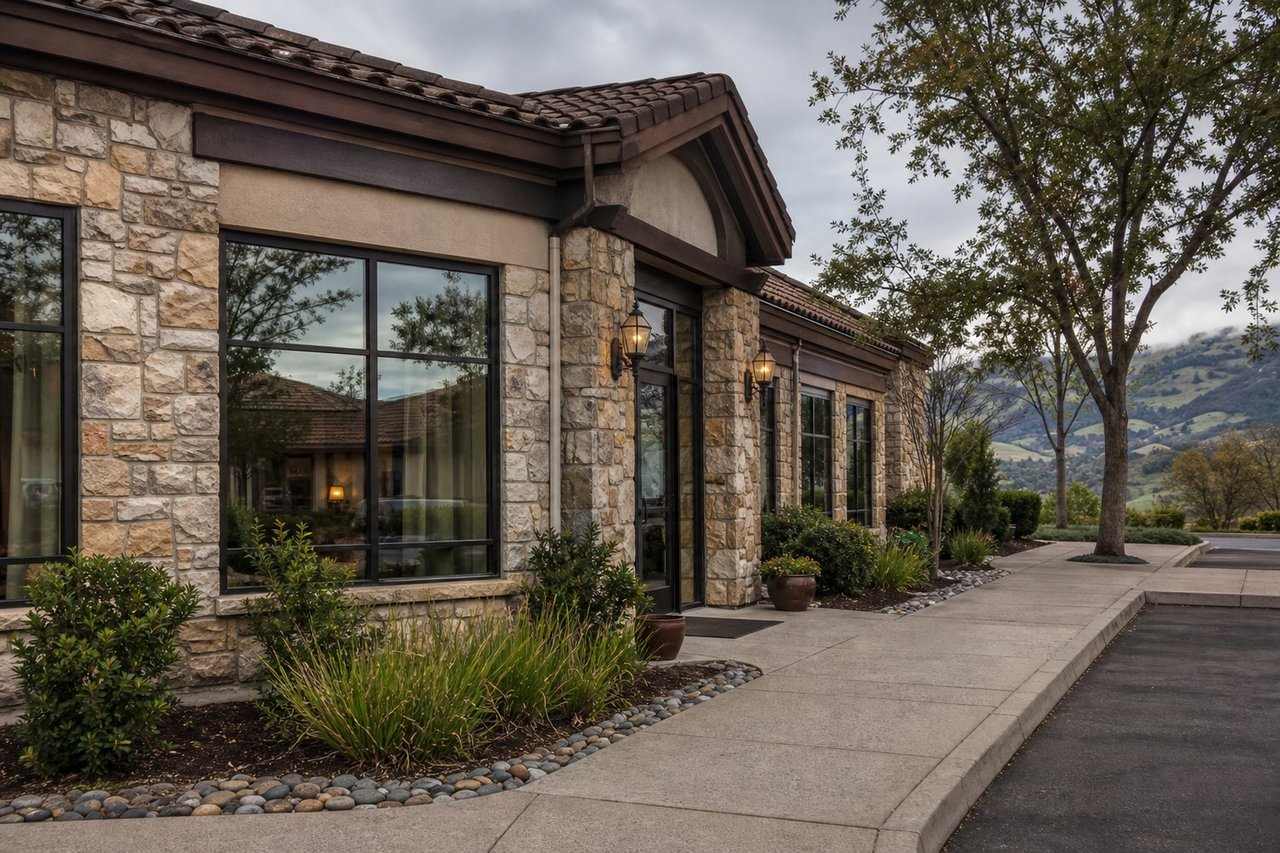
Buyers notice deferred exterior maintenance, dated paint, worn flooring, poor lighting, neglected landscaping, visible roof or drainage issues, and unfinished repair work first. These are the items that shape a first impression, and a first impression sets the tone for every inspection request that follows.
Skipping the basics
Small, visible problems signal larger ones. Peeling trim or a half-finished repair makes a buyer wonder what else was left undone. Fresh paint, working light fixtures, clean flooring, and tidy landscaping cost far less than the negotiating leverage they protect. For a deeper look at presentation, see Tiegen's post on staging a high-end El Dorado Hills home.
Over-improving without a market reason
The opposite mistake is just as common. Spending heavily on upgrades that don't match neighborhood standards or your price bracket rarely comes back in the sale price. Before you commit to a project, compare it against current comparable listings and the buyer pool your home will actually attract.
Ignoring location-specific inspection questions
Foothill and suburban properties draw specific scrutiny. Depending on the property, buyers may look closely at:
- Drainage and retaining walls
- Pools and solar equipment
- Wood-destroying organisms and roof condition
- Wildfire-related concerns
- Private roads, wells, septic systems, and easements
- Unpermitted additions
Gather permits, warranties, invoices, service records, and association documents before you list. Trying to reconstruct them after an offer is in hand slows the deal and makes buyers nervous. If you're selling a high-end property, the luxury home selling guide for El Dorado Hills covers preparation in more detail.
How Do Disclosure Gaps Make Buyers Walk Away?
Buyers walk away when your disclosures don't match what they see, what the listing says, or what you tell them in conversation. In California, you should identify known material facts and known defects accurately and consistently across your disclosure forms, listing materials, and conversations. Inconsistency reads as concealment, even when it started as an oversight.
"Sold as-is" is not a shield
Listing a home as-is does not remove your obligation to disclose known problems. Treating it that way is one of the quickest routes to a terminated contract or a dispute after closing. Confirm the current California disclosure requirements for your situation with Tiegen before you list.
Facts that must match across every document
Check these against available records and your paperwork before photos and copy go live:
- Square footage, lot size, and bedroom count
- Permitted versus unpermitted improvements
- Solar ownership or financing
- HOA and special-assessment information
A mismatch can create hesitation during due diligence even when the home itself is attractive. Catching it yourself is far better than having a buyer's agent catch it.
What Should You Do If Your Home Gets Showings but No Offers?
Compare your price and condition against the homes buyers are choosing instead, and read the feedback honestly. Showings prove your marketing is reaching people. The missing offers tell you the price, the condition, or the presentation isn't holding up once they walk through.
Check your photos and staging honestly
If you scroll your own listing and the rooms feel dark, cluttered, or empty, buyers feel the same way. Look at the first few photos, since those decide whether anyone clicks. Then walk the home as a stranger would, starting at the curb.
Decide before the listing goes stale
Tiegen walks clients through this decision using showing activity, feedback, and comparable listings, not a fixed calendar rule. If your home has been listed for several weeks without an offer, treat that as data and adjust, rather than waiting for the market to change its mind. A consultation to compare your home against its true competition is the fastest way to find what to change.
If you're weighing what you'll net after any adjustments, seller closing costs in El Dorado Hills explains the categories involved, and Tiegen can run a personalized net sheet for your situation. If you're still choosing who to hire, start with what to look for in the best agent to sell your home.
Want to see what past clients say about working with Tiegen? Read his reviews on Google and Zillow.
FAQ
Should I price my El Dorado Hills home above recent comparable sales to leave room for negotiation?
No, not by much. Buyers filter by price before they ever negotiate, so a home that looks expensive for its condition often gets skipped. Price to what the most relevant comparables support, screened by neighborhood, lot, age, floor plan, and condition.
Why is my Granite Bay home getting showings but no offers?
Showings mean buyers are finding the listing, so the issue is usually price relative to competing homes or condition once they walk in. Granite Bay properties vary widely by acreage, private roads, well or septic systems, and custom features, so compare against homes with truly similar attributes. A local pricing review can pinpoint which factor is costing you.
How long should I wait before reducing the asking price in Folsom?
There is no fixed number of days, so judge by showing activity and feedback against the local clock. If your home is sitting well past comparable listings with showings but no offers, it is time to reassess.
Should I make repairs before listing a luxury home in Granite Bay?
Yes for visible and functional issues, and no for large upgrades without a market rationale. Fix deferred maintenance such as roof, drainage, paint, and landscaping, and assemble permits and service records for pools, wells, septic, and outbuildings. Compare any bigger project against current comparable listings before you commit.
What disclosures can cause a buyer to walk away from a California home purchase?
Inconsistent or late-surfacing disclosures do the most damage, especially unpermitted work, drainage or roof problems, and facts that contradict your listing. Disclose known material facts and defects accurately, and keep your forms, listing copy, and conversations consistent. Confirm the current requirements for your property with Tiegen before listing.
Fix the Mistakes Before They Cost You an Offer
Most of what turns buyers away in El Dorado Hills and Granite Bay is predictable and fixable: a price built on the wrong comparables, visible deferred maintenance, and disclosures that don't line up. Tiegen's role is to catch each of these before your home goes live. Get a free home valuation and see how your home stacks up against its real competition.
Equal Housing Opportunity. Tiegen Boberg, Broker Associate, Nick Sadek Sotheby's International Realty; Member, MetroList MLS (Sacramento Region). Regulated by the California Department of Real Estate. This article is general information, not legal, tax, or financial advice; confirm your own numbers with your closing agent, tax advisor, or lender.