Thinking about a hillside home in El Dorado Hills and wondering how Ridgeview stacks up? You want views, privacy, and a smooth daily routine without surprises down the road. That is smart. In this guide, you will see how to compare Ridgeview with other hill neighborhoods on the things that matter most, from architecture and lot types to HOA rules, commute access, and wildfire and maintenance factors. Let’s dive in.
What to compare on hillsides
Hillside neighborhoods across El Dorado Hills sit on ridgelines and slopes with changing elevation. That means you will often trade easier yards for better views, and governance can range from robust master-planned HOAs to light-touch or no HOA at all. Focus your comparison on five pillars:
- Homes and architecture
- Lots, slope, and views
- HOA structure and amenities
- Everyday access and commute patterns
- Wildfire, utilities, drainage, and long-term maintenance
Ridgeview at a glance
Ridgeview is one of the area’s identifiable hillside enclaves within the broader El Dorado Hills landscape. You are close to the community’s main corridors and retail core while still getting the feel of foothill living. Like other hill neighborhoods nearby, the streets follow the terrain, so elevation, outlook, and yard usability can vary block by block. Keep your lens on the specific home, not just the subdivision name.
Homes and architecture: Ridgeview vs others
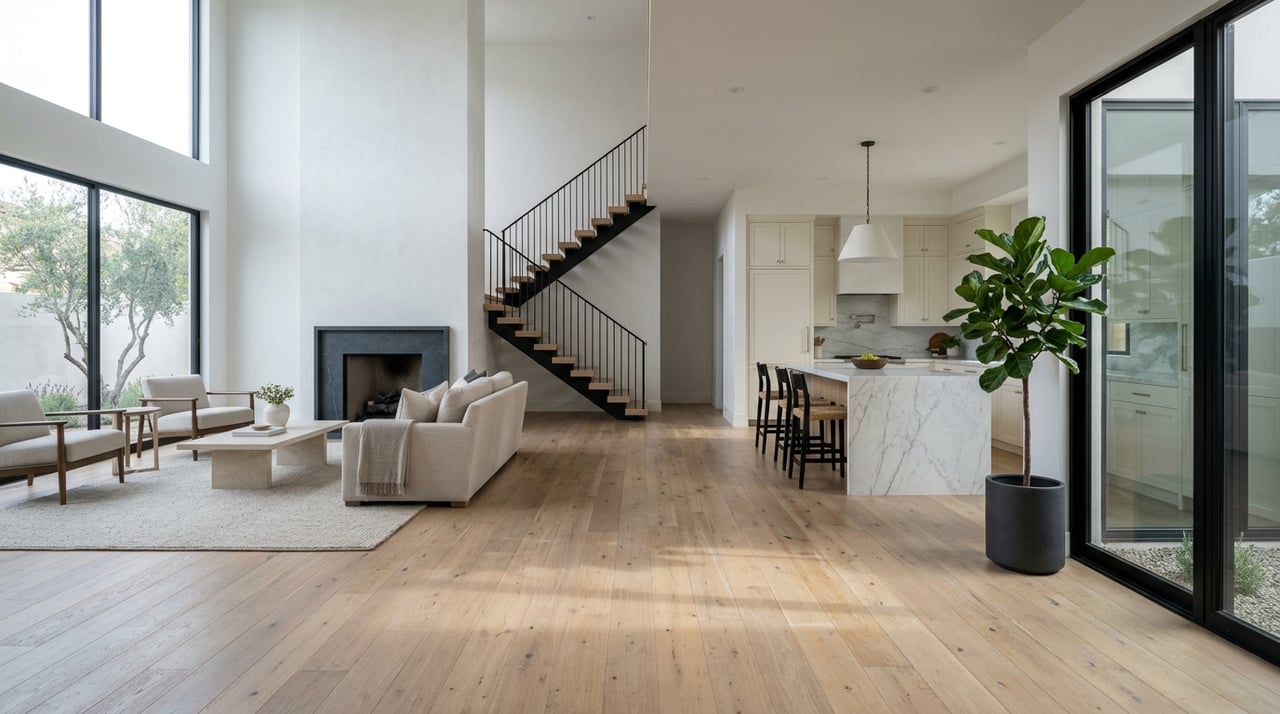
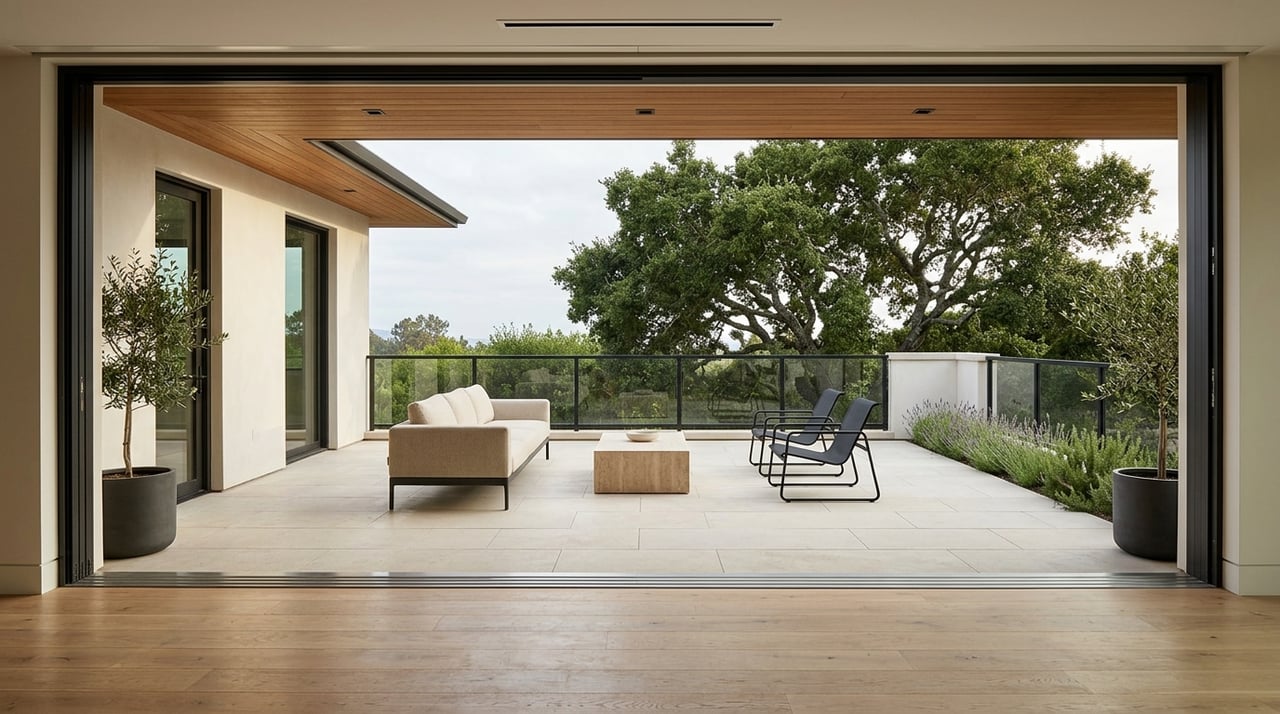
You will see a mix of styles in hillside areas, including single-story ranch, two-story contemporary, Mediterranean, and custom builds. Construction eras often range from the 1990s forward, plus newer infill or remodels. Interior layouts tend to favor open main living spaces and larger windows to capture light and views.
Some planned communities, such as Serrano, use formal architectural review and stricter design controls. Other hillside tracts lean more independent with fewer exterior restrictions. When you compare Ridgeview to nearby hillsides, review the recorded covenants and any design guidelines that apply to the specific address.
What to look for when touring homes
- Window placement that frames views without sacrificing privacy.
- Entry and main living areas on the “flat” part of the pad for easy daily flow.
- Garage placement and driveway slope for safe access in wet weather.
- Exterior materials suited to sun exposure and seasonal temperature swings.
Lots, topography, and views
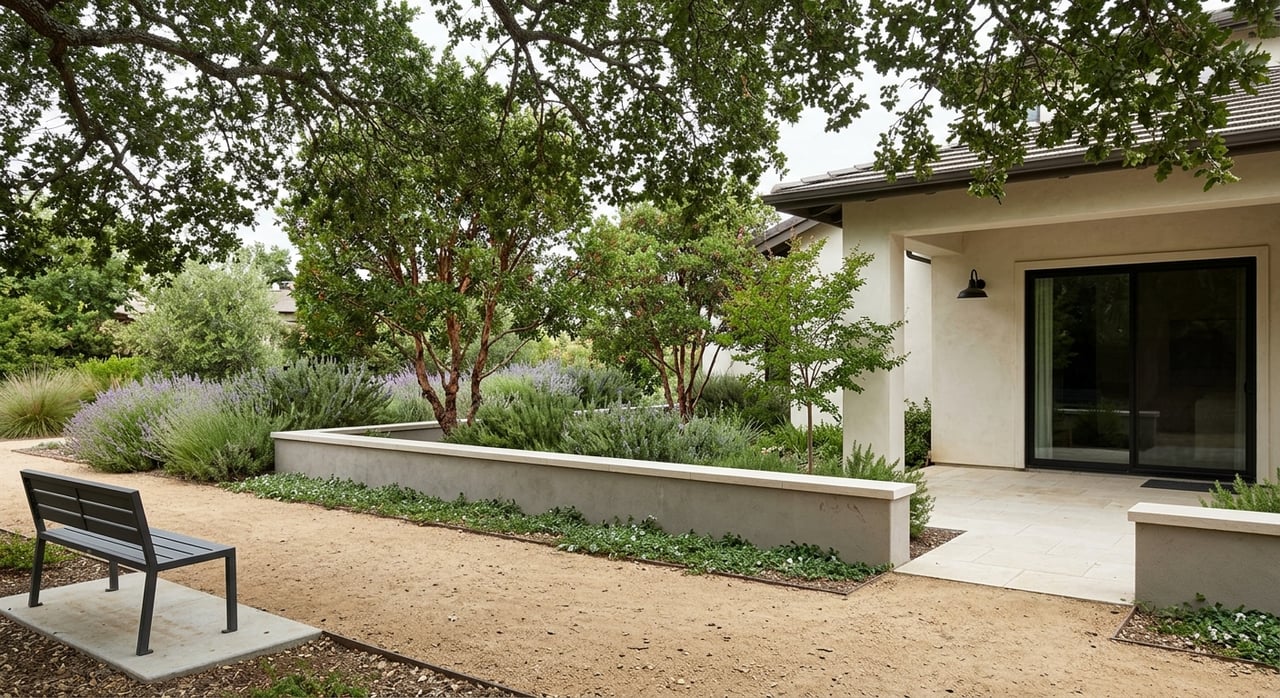
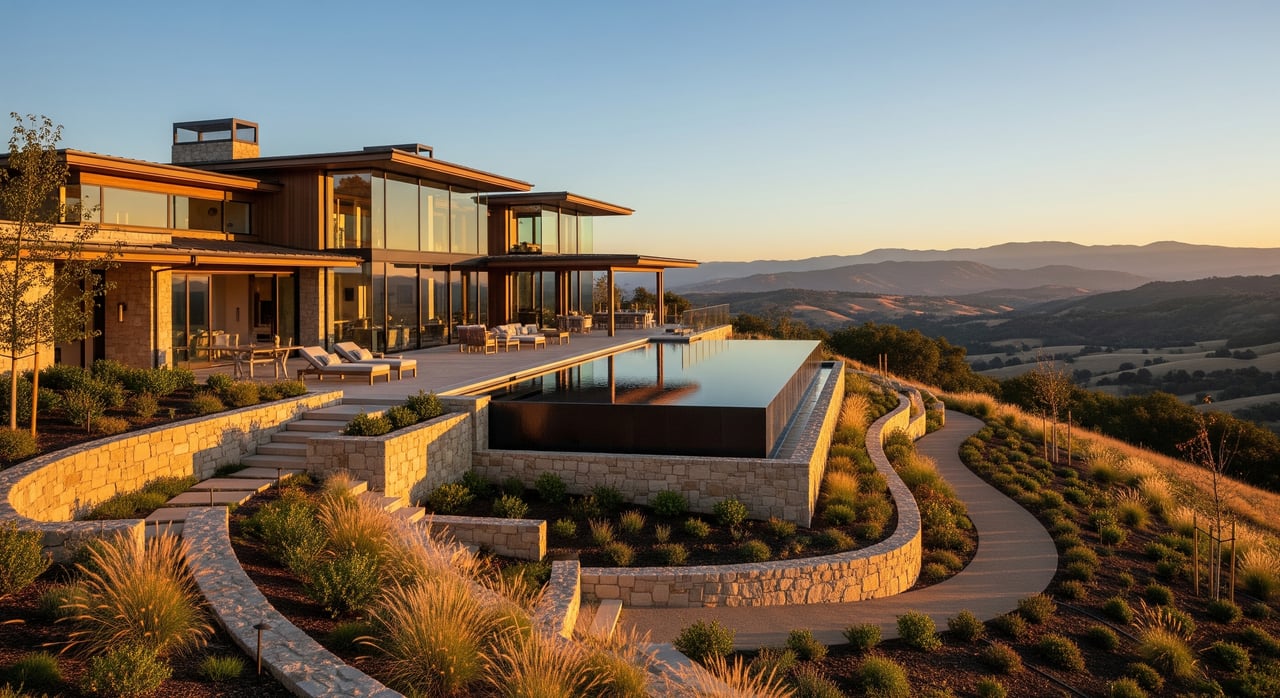
Hillside parcels come in different sizes and shapes, and the slope matters. Flat pads usually make yard space more usable and simpler to maintain. Steeper parcels can deliver dramatic valley or ridge views, though they often require more thoughtful landscaping and drainage.
- Lot sizes vary from smaller hillside parcels under a quarter acre to large acreage homes. Focus on usable space, not just total size.
- Orientation affects sun, shade, and how rooms live throughout the day.
- Retaining walls and terracing are common. Ask who maintains them and whether there is a history of repairs.
Tradeoffs to weigh
- Bigger views often come with steeper yards and more ongoing upkeep.
- Flatter lots tend to simplify outdoor living and future projects, but they may offer fewer long-range views.
HOA structure and amenities
Hillside neighborhoods in El Dorado Hills span the range of governance. Some master-planned communities offer amenities like trails, parks, and gated entries that come with higher dues and more rules. Other enclaves have minimal or no HOA, so you get more individual control but also more personal responsibility for maintenance.
For any Ridgeview address you consider, confirm whether there is an HOA, what the dues cover, and any architectural or landscaping rules. Review the latest governing documents, reserve study, and meeting minutes to understand future costs and community priorities.
Key questions about HOA and governance
- Is there an HOA for this specific property, and what does it do?
- What are the current dues, and are there planned assessments?
- Are there rental or short-term rental restrictions?
- Who maintains private roads, drainage, and common slopes if any exist?
Everyday access, schools, and commute
One of the biggest differences between flatland and hillside living is day-to-day access. The same distance can feel different when roads curve up and around slopes. Most hillside addresses still connect efficiently to main routes like Highway 50 and local arterials, yet some streets add a few minutes to morning or evening travel.
- Run your own drive-time checks to the Town Center, nearest grocery and pharmacy, medical services, and your work route. Test both peak and off-peak times.
- Verify school assignments with district boundary lookup tools for the specific parcel. Boundaries can vary across nearby streets.
- Check guest parking rules and practical things like delivery access on curving or narrower hillside roads.
Wildfire, utilities, and insurance
Wildfire exposure and insurance availability are key considerations for hillside properties. Requirements for defensible space and home hardening can differ based on the hazard zone and local rules. Utility setups also vary, from municipal water and sewer to occasional well or septic in some foothill locations.
- Confirm the property’s wildfire hazard designation and defensible space obligations.
- Ask local insurance providers for quotes early in your search and compare premiums and coverage limits.
- Verify utility providers and whether the home is on public water and sewer or a private system.
- Review any HOA or neighborhood vegetation policies and fuel-reduction programs.
Drainage, grading, and long-term maintenance
Hillside homes can perform beautifully when drainage and grading are well designed and maintained. Over time, items like retaining walls, slope landscaping, and down-slope drainage paths need attention.
- Look for engineered pads, clear drainage paths, and evidence of routine maintenance.
- Ask for any geotechnical reports, grading permits, or repair records tied to the property.
- Confirm road ownership and maintenance responsibility if the home sits on a private street.
On-the-ground comparison checklist
Use this quick checklist to compare Ridgeview with other hillside options home by home:
- Homes and lot
- Typical year built and common floorplans.
- Lot size range and usable yard area, flat vs sloped.
- Retaining walls present, and who maintains them.
- HOA and governance
- Whether an HOA exists, current dues, and any assessments.
- CC&R restrictions, architectural review, paint palettes, and rental rules.
- Amenities and hours if applicable.
- Access and daily life
- Drive time to Town Center, grocery, schools, and Highway 50 during peak and off-peak.
- Parking norms and guest access on the street.
- Safety and ongoing costs
- Wildfire hazard zone and defensible-space requirements.
- Insurance availability and sample premiums.
- Water and sewer setup, expected utility providers.
- Maintenance and future costs
- Recent or upcoming HOA capital projects and reserve study status, if applicable.
- Slope, drainage, or retaining-wall history and any engineering reports.
How to compare Ridgeview with confidence
The best hillside fit is personal. You might prioritize a larger flat yard and quick access to shopping, or you may prefer a sweeping view and a quiet cul-de-sac. In any case, base your decision on verifiable details at the property level, not assumptions about the neighborhood label.
With hands-on guidance, you can line up the right inspections, confirm HOA rules, verify utility and insurance details, and pressure-test your commute before you write an offer. That is how you move in knowing exactly what to expect.
If you want a local, concierge-style approach to Ridgeview and other El Dorado Hills hillsides, reach out to Tiegen Boberg. You will get direct access, clear answers, and a step-by-step plan tailored to your goals.
FAQs
What should I compare when choosing Ridgeview vs other El Dorado Hills hillsides?
- Focus on home age and style, lot slope and views, HOA rules and dues, drive times to daily needs, and wildfire, drainage, and utility details for the specific property.
How do HOAs in hillside neighborhoods affect my decision?
- HOAs with amenities offer structure and services that may raise dues and add rules, while light-touch or no HOA can mean more personal responsibility. Confirm the setup for the exact address.
Will a hillside location like Ridgeview add time to my Highway 50 commute?
- It can add a few minutes depending on the street network and traffic patterns. Run peak-hour drive tests from the property to your regular destinations.
How do wildfire and insurance considerations differ on hillsides?
- Some hillside parcels sit in higher wildfire hazard zones, which can affect coverage and premiums. Get quotes early and confirm defensible-space rules and any community vegetation programs.
What should I check about lots and retaining walls in Ridgeview and similar areas?
- Verify yard usability, retaining-wall condition, and who maintains walls and slopes. Ask for grading permits, engineering reports, or repair records.
How do I verify school assignments for a hillside home in El Dorado Hills?
- Use the district’s address lookup tools for the specific parcel and confirm directly with the district, since boundaries can vary within hillside areas.