What does Folsom's new zoning code mean for home buyers and developers?
Folsom's zoning code update replaces decades-old rules with clearer language, diagrams, and measurable development standards. For buyers, it affects what you can build, add, or operate on a property. For developers, it introduces objective design standards in key growth corridors and updated accessory-dwelling-unit requirements that took effect May 14, 2026, changes worth understanding before you commit to a site or a purchase price.
Key Takeaways
- Folsom's existing zoning code has not been comprehensively updated in decades; the ongoing overhaul is intended to modernize language and clarify development expectations across all land-use categories.
- Updated ADU requirements under Chapter 17.105 took effect May 14, 2026, aligning Folsom's rules with current California law and expanding options for homeowners and small-scale infill developers.
- Objective Development and Design Standards apply to multifamily and mixed-use projects in the East Bidwell Corridor, Folsom Boulevard Transit-Oriented Development Overlay, and Town Center Overlay, meaning those projects are evaluated against measurable criteria, not purely discretionary review.
- Properties in Folsom's Historic District face additional design-review requirements for new construction, custom homes, and additions exceeding 500 square feet or 25% of the existing structure.
- Empire Ranch's trailing 90-day median sale price is $789,928 at 36 days on market; St. Andrews sits at $280,000 at 50 days, a reminder that zoning context varies meaningfully across Folsom's neighborhoods.
What is actually changing in Folsom's zoning code, and why does it matter to buyers?
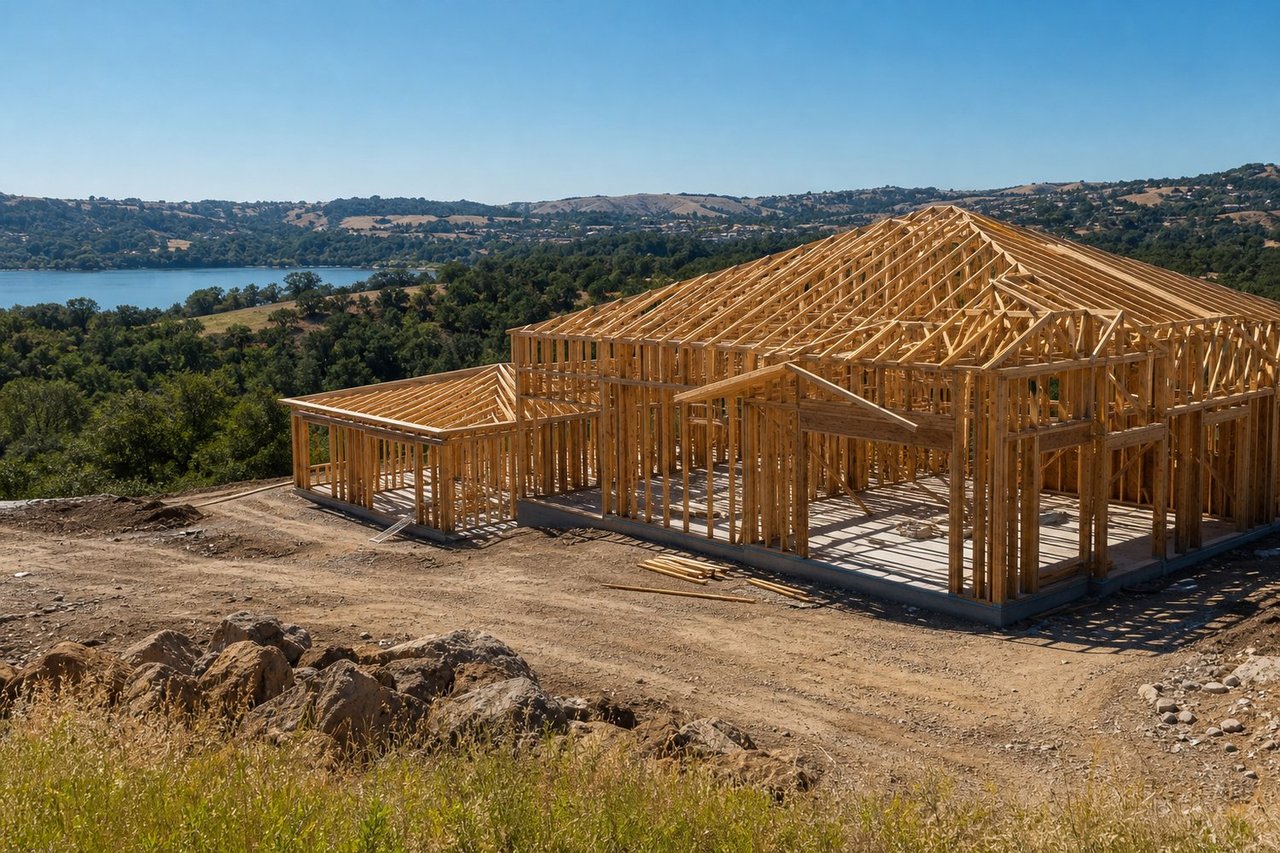
Folsom's new zoning code is a comprehensive rewrite, not a minor patch. According to the City of Folsom's Zoning Code Update page, the existing code hasn't been meaningfully updated in decades. The replacement is designed to use plain language, diagrams, and graphics to communicate what can be built where, and how it has to look when it gets there.
For a buyer, that matters the moment you start thinking beyond the four walls of the home you're purchasing. Want to add a second unit? Build an addition? Run a home-based business? Every one of those questions runs through the zoning code. And if you're buying in a neighborhood near a commercial corridor or transit line, the zoning on adjacent parcels shapes what could be built next door.
The code is organized under Chapter 17 of the Folsom Municipal Code, which governs zoning districts and the full range of development standards: permitted uses, building height, lot dimensions, setbacks, parking, signage, and other site requirements. Folsom's framework includes residential, mixed-use, commercial, business-professional, industrial, and open-space districts. The district your parcel sits in, and any overlay or Specific Plan area that applies, determines what's possible.
I walk every buyer I work with through a basic zoning check before we get deep into due diligence. It takes fifteen minutes and can change the entire calculus of a purchase.
ADU rules: what changed in May 2026
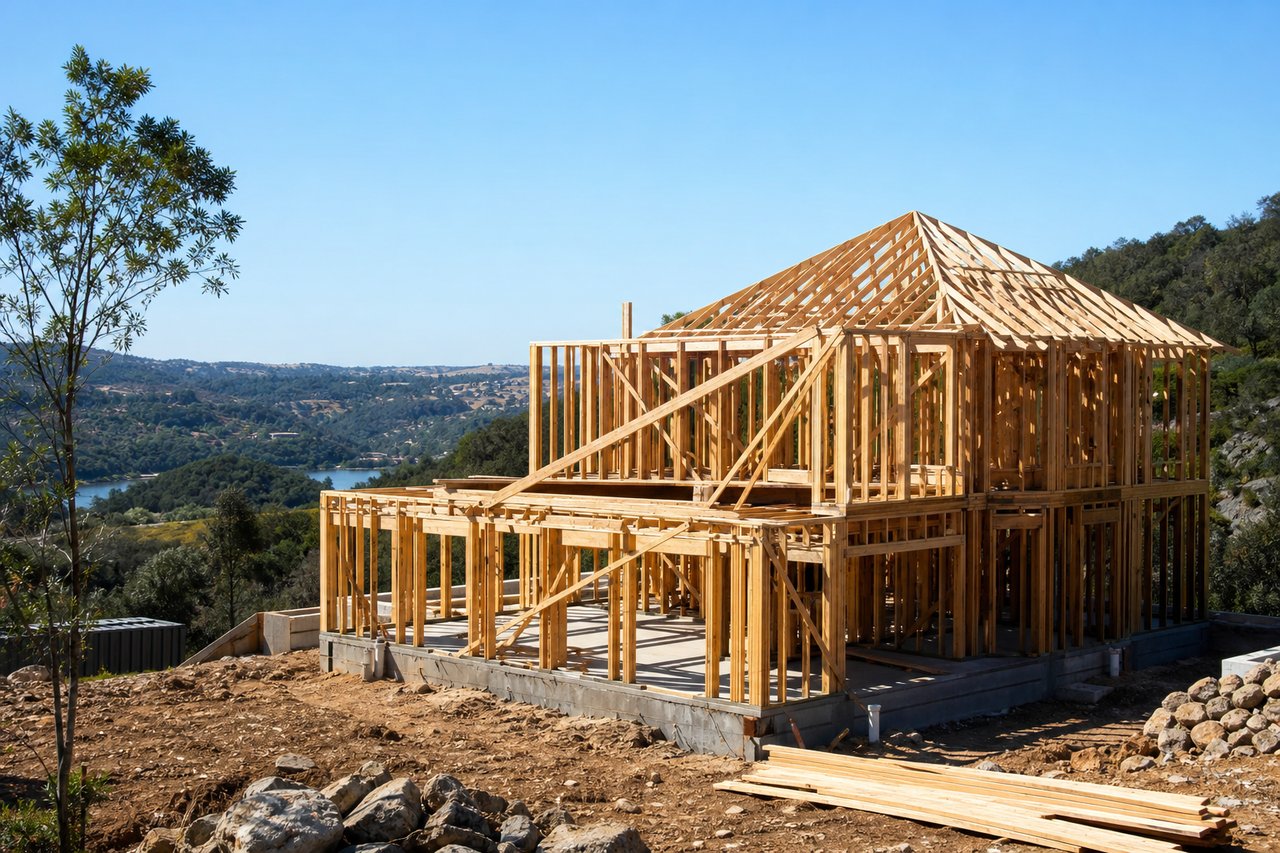
One of the most buyer-relevant updates is the revised accessory-dwelling-unit ordinance. Folsom's updated Chapter 17.105 took effect May 14, 2026, bringing the city's ADU rules into alignment with current California law. If you're buying a home with an eye toward adding a rental unit, an in-law suite, or a detached guest cottage, this is the framework that governs what's permitted, what's streamlined, and what still requires a separate building, utility, or fire review.
A few practical points worth verifying on any specific property:
- Whether an existing ADU on the property is permitted and inspected (unpermitted units carry their own risks at resale)
- Whether a proposed new unit qualifies under the updated Chapter 17.105 standards
- What site constraints, lot size, setbacks, access, utility capacity, apply to that specific parcel
The rules align with state law, but local site conditions still vary. Your situation depends on the specific property, and the only way to get a reliable answer is to pull the parcel data and run it against the current code.
Historic District: extra steps for older homes
If you're drawn to older homes near historic Folsom, budget additional time in your planning process. Under Chapter 17.52 of the Folsom Municipal Code, new construction, new custom homes, and additions exceeding 500 square feet or 25% of the existing structure generally require Historic District Commission design review. That's not a reason to avoid the area, but it's a reason to understand the process before you commit to a renovation scope or timeline.
What Folsom's zoning update means for developers and investors
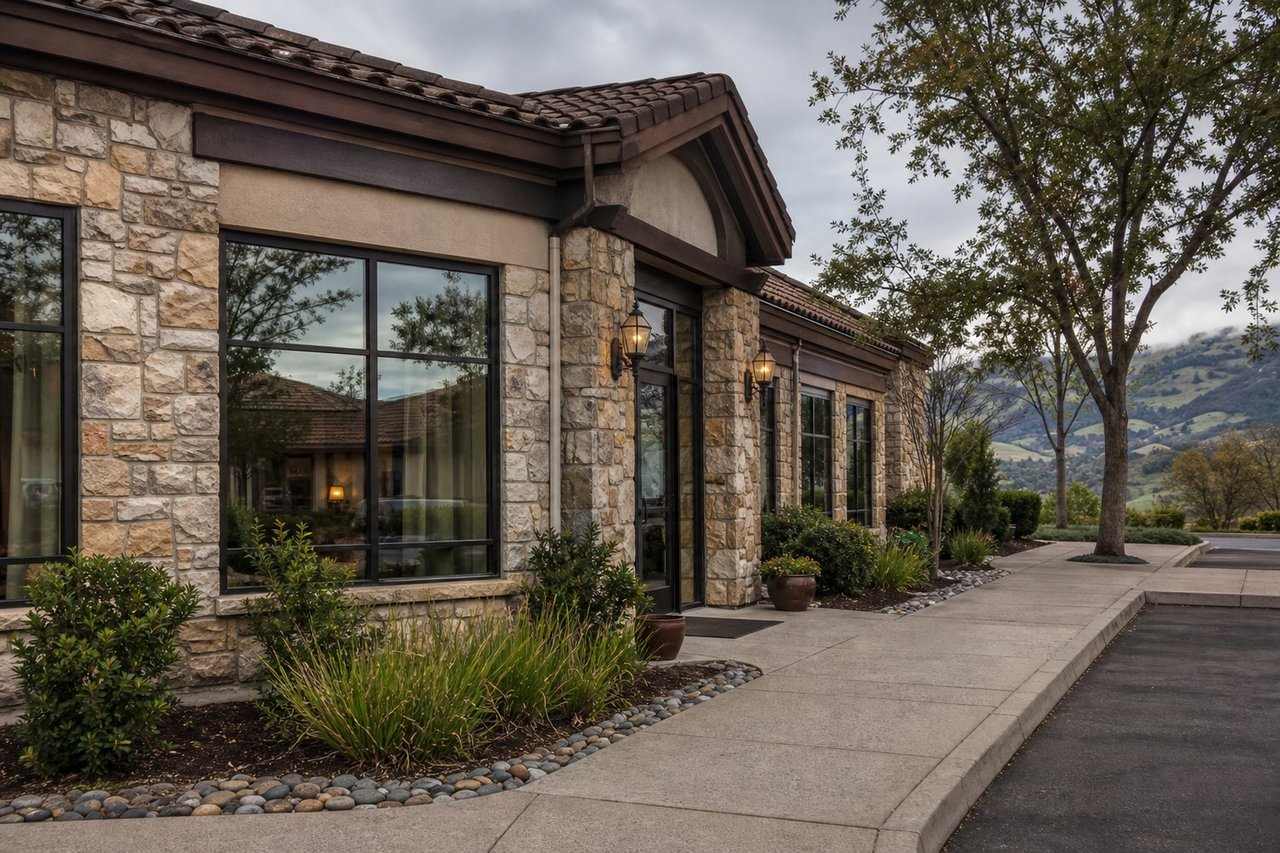
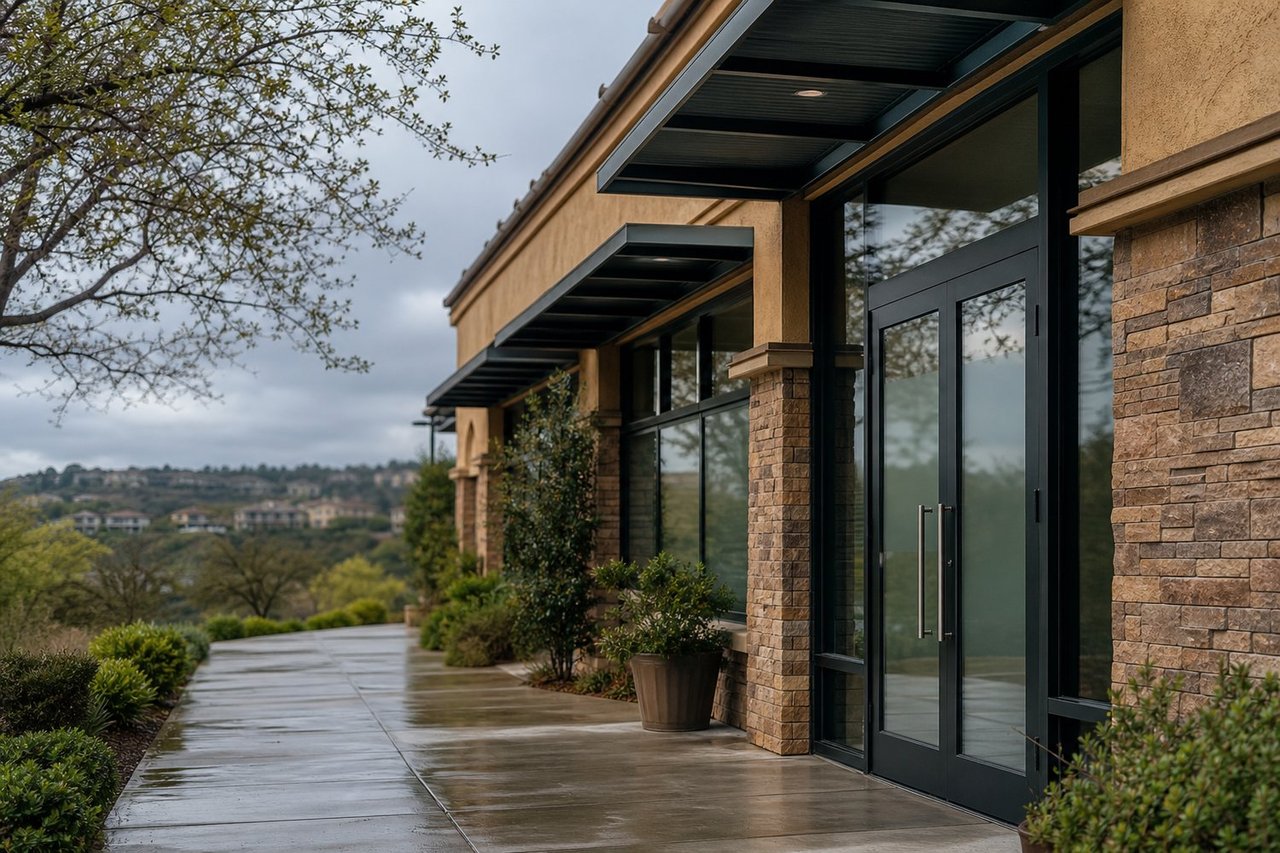
For developers, the most significant changes concentrate in Folsom's designated growth and redevelopment corridors. The city has adopted Objective Development and Design Standards that apply to new apartments, condominiums, and townhomes in three specific overlay areas:
- The East Bidwell Corridor Mixed-Use Overlay
- The Folsom Boulevard Transit-Oriented Development Overlay
- The Folsom Plan Area Specific Plan Town Center Overlay
These standards are intentionally measurable. Projects in covered areas are evaluated against objective criteria for physical form, compatibility, walkability, and human-scale design, rather than relying purely on discretionary aesthetic judgment. For a developer, that means more predictability in the entitlement process for qualifying projects, which can affect both timeline and pro forma assumptions.
The inclusionary-housing ordinance is also under revision. Folsom City Council materials identify an update to the methodology for calculating in-lieu fees applicable to residential development. The precise fee structure and effective date should be confirmed against the enacted ordinance before any project underwriting relies on it.
The practical due-diligence sequence for a Folsom development site
Before any project moves to design or entitlement, here's the sequence I'd recommend confirming with Folsom Community Development:
- Confirm the parcel's zoning district and General Plan designation
- Identify any applicable overlay (Mixed-Use, TOD, Town Center, Historic District)
- Determine whether the proposed use is permitted by right or requires discretionary approval
- Review the Objective Development and Design Standards if the site is in a covered overlay
- Verify building, infrastructure, environmental, parking, and utility requirements
- Check the Zoning Code Update page for the latest adoption status and any transition rules
That last step matters. The code update is ongoing, and transition rules can affect projects that were conceived under the old code. Don't assume the version you reviewed six months ago is still current.
If you're evaluating Folsom as an investment market more broadly, my Folsom real estate investment guide covers neighborhood-level context that pairs well with the zoning picture here. And if you're specifically looking at new construction in the southern growth areas, Folsom's 2026 single-family market outlook gives you the price trend backdrop.
Current market snapshot: Folsom area context
Zoning shapes what's possible; market conditions shape what's profitable or practical. As a point of reference from trailing 90-day public listing data as of September 2026, Empire Ranch carried a median sale price of $789,928 at 36 days on market, while St. Andrews sat at $280,000 at 50 days. The range is a reminder that zoning context varies meaningfully across Folsom's neighborhoods.
Individual home values vary by condition, street, and timing. These are area-level medians, a useful orientation, not a substitute for a property-specific analysis. According to NAR research, local market conditions and zoning flexibility increasingly factor into buyer decision-making in suburban growth markets, which is exactly the category Folsom sits in.
Your specific situation, whether you're buying a single-family home, planning an ADU, or evaluating a multifamily site, depends on the parcel, the overlay, and the timing. That's where a market analysis tied to the actual zoning picture comes in.
If you'd like to see what readers say about working with me on transactions like these, you're welcome to check my reviews on Google or Zillow.
Frequently Asked Questions
What does Folsom's new zoning code change for someone buying a home?
The update replaces decades-old rules with clearer language and measurable standards, affecting what you can build, add, or operate on a property you purchase. Before closing on any Folsom home, it's worth confirming the parcel's zoning district, any applicable overlay, and whether your intended use, including an ADU or addition, is permitted under the current code.
Can Folsom homeowners build an ADU under the updated rules?
Folsom's updated ADU requirements under Chapter 17.105 took effect May 14, 2026, and align with current California law. Whether a specific property qualifies depends on lot size, setbacks, existing structures, and utility capacity, so the answer varies by parcel. Verify the details with Folsom Community Development or a local agent who can pull the parcel-level data before you build your plans around it.
Which Folsom areas allow townhomes, apartments, or mixed-use development?
The primary areas where multifamily and mixed-use development is specifically addressed under the new Objective Development and Design Standards are the East Bidwell Corridor Mixed-Use Overlay, the Folsom Boulevard Transit-Oriented Development Overlay, and the Folsom Plan Area Specific Plan Town Center Overlay. Outside those overlays, the applicable zoning district and General Plan designation govern what's permitted on a given parcel.
What are Objective Development and Design Standards in Folsom?
Objective Development and Design Standards are measurable criteria for physical form, site layout, and design compatibility that apply to qualifying multifamily and mixed-use projects in Folsom's designated overlay areas. Because they are objective rather than discretionary, projects that meet the standards can move through the review process with greater predictability, a meaningful difference for developers building pro formas and timelines.
Does the zoning update affect properties in Folsom's Historic District?
Yes. Chapter 17.52 establishes Historic District boundaries and design regulations, and the city requires Historic District Commission design review for new construction, new custom homes, and additions exceeding 500 square feet or 25% of the existing structure. Buyers planning renovations on older homes in or near historic Folsom should factor this review process into their timeline and budget before committing to a scope of work.
How can I check the zoning designation and development rules for a specific Folsom property?
Start with the City of Folsom's Zoning Resources page, which links to the municipal code, zoning maps, and district summaries. For a property-specific read that accounts for overlays, Specific Plan areas, and the latest code-update status, the most reliable step is a pre-purchase consultation with Folsom Community Development, or with a local agent who can run the parcel-level due diligence alongside your offer timeline.
Folsom's zoning code update is one of those changes that looks procedural on the surface but has real consequences for what a property can do for you. Whether you're buying a home with ADU potential, evaluating a development site near a transit corridor, or renovating in the Historic District, the rules that apply to your specific parcel matter more than the general headline. Get a free home valuation and a parcel-specific conversation, I'll make sure you're working with the right picture before you commit.
Equal Housing Opportunity. Tiegen Boberg, Broker Associate, Nick Sadek Sotheby's International Realty; Member, MetroList MLS (Sacramento Region). California Department of Real Estate. This article is general information only and is not legal, tax, or financial advice; confirm your specific costs, zoning details, and transaction terms with your closing agent, tax advisor, or lender.