How does Highway 50 corridor growth affect real estate in El Dorado Hills and Folsom?
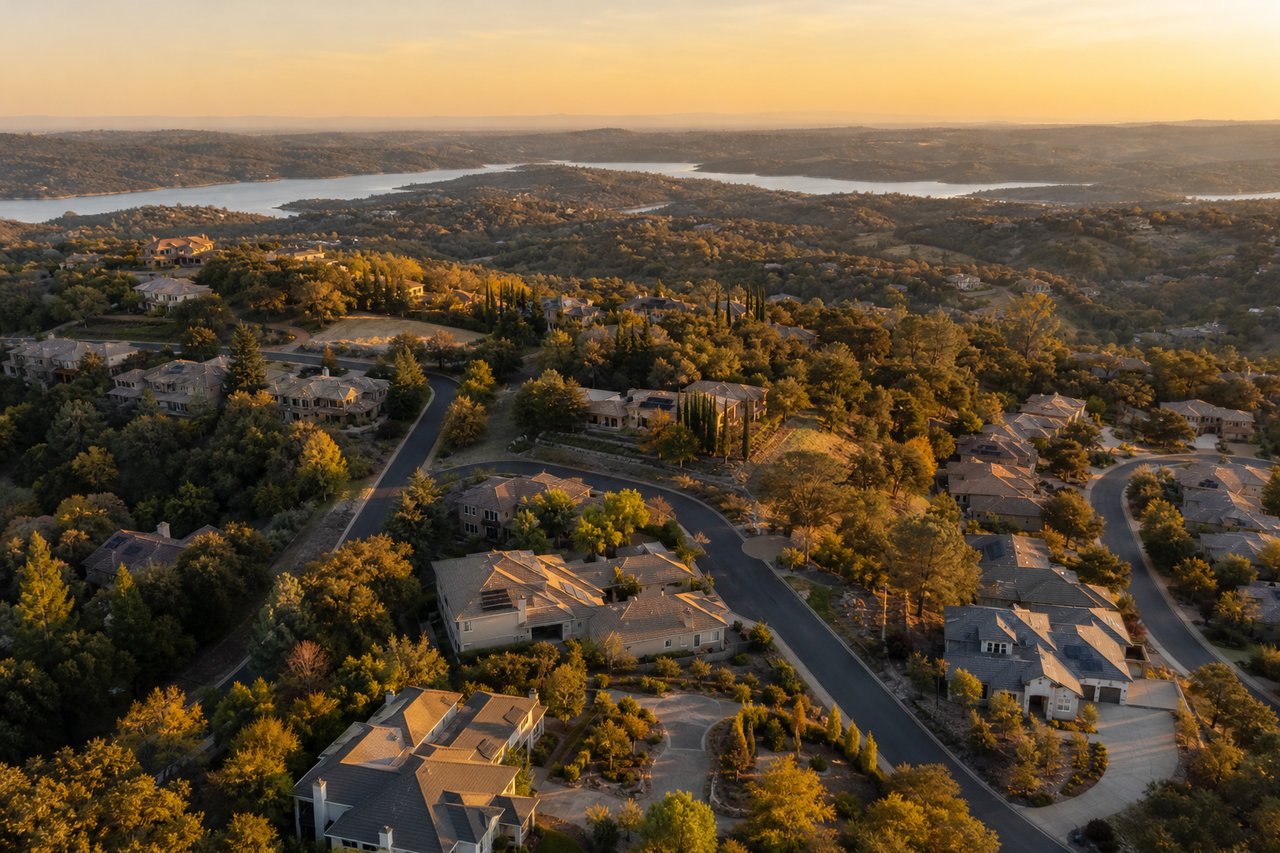
The Highway 50 corridor is one of the most consequential growth vectors in the Sacramento region. New employment centers, infrastructure upgrades, and master-planned communities stretching from Rancho Cordova through Folsom and into El Dorado Hills have been reshaping land values and buyer demand for years. If you're deciding whether to buy, sell, or hold property along this corridor, understanding what's driving that growth, and where it's headed, is the clearest edge you can have.
What's Fueling the Corridor's Growth
The short answer is jobs, infrastructure, and housing supply that's finally catching up with demand. But the details matter if you're making a real estate decision.
The Employment Engine
The tech and government employment base along Highway 50 has been expanding steadily. Intel's campus in Folsom remains one of the largest private employers in the Sacramento region, and the broader Folsom tech cluster has drawn supporting businesses and workers who want to live within a reasonable commute of their office. According to the Sacramento Regional Chamber of Commerce, the Sacramento metro has consistently ranked among the top U.S. metros for employment growth in advanced industries, a trend that directly benefits corridor communities.
For buyers relocating from the Bay Area, the value proposition is hard to ignore. California Association of Realtors data has shown that Sacramento-area median prices remain significantly below Bay Area levels, meaning equity from a Bay Area sale stretches considerably further here. I work with Bay Area relocators regularly, and the corridor communities, Folsom Ranch, El Dorado Hills, Serrano, Blackstone, consistently come up as the target zones because they offer newer construction, larger lots, and proximity to the freeway without the congestion of inner Sacramento.
Infrastructure Investment Compounding Value
Highway 50 itself has been the subject of ongoing capacity and interchange improvements coordinated through Sacramento Area Council of Governments (SACOG), the regional planning body that oversees transportation investment across six counties. SACOG's long-range Metropolitan Transportation Plan identifies the Highway 50 corridor as a priority for both highway and transit improvements, including ongoing work on the Sacramento Regional Transit light rail extension toward Folsom that has supported transit-oriented development planning in the area.
When transportation infrastructure improves, land values along that corridor tend to follow. That's not a theory, it's a pattern I've watched play out in this market across many years of transactions.
Master-Planned Communities Still Delivering Supply
Folsom Ranch, the largest planned community in Folsom's history, is still delivering new homes and commercial phases. El Dorado County's planned communities, including Marble Valley and Green Springs Ranch, represent significant future supply in unincorporated El Dorado Hills. The El Dorado County Planning Department tracks active specific plans and entitlement activity for these areas, and the pipeline reflects continued developer confidence in long-term demand.
New supply in master-planned communities matters to existing homeowners because it sets price comparables and drives amenity investment (schools, retail, parks) that makes the broader area more attractive. If you own in Serrano, Blackstone, or Empire Ranch, what gets built in the next phase of Folsom Ranch or Marble Valley affects your home's context and value trajectory.
What This Means for Buyers and Sellers Right Now
For Buyers: Positioning Along the Corridor
Not every neighborhood along Highway 50 is at the same stage of its growth cycle. Established communities like Serrano Country Club and Highland Hills have largely appreciated through their initial growth phase, you're buying into a proven, stable market. Newer areas like Folsom Ranch and the emerging El Dorado Hills communities are still earlier in the cycle, with more new construction and more price movement potential in both directions.
The MetroList MLS, the regional MLS serving the Sacramento area, is the most reliable source for current days-on-market, price-per-square-foot, and absorption rate data across these submarkets. Those numbers shift quarterly, and they tell you whether a specific neighborhood is a buyer's or seller's market right now, not six months ago.
My advice to buyers evaluating corridor communities: tour the neighborhoods before you commit. School attendance boundaries, actual commute times at 7:30 a.m., and the feel of a community on a weekday morning tell you things that listing photos and Zillow maps can't. That's especially true for Bay Area relocators who are making this move sight-unseen based on remote research.
For a deeper look at how Folsom's specific neighborhoods compare for lifestyle and commute, my Folsom neighborhood guide breaks it down community by community.
For Sellers: Growth Narrative as a Pricing Asset
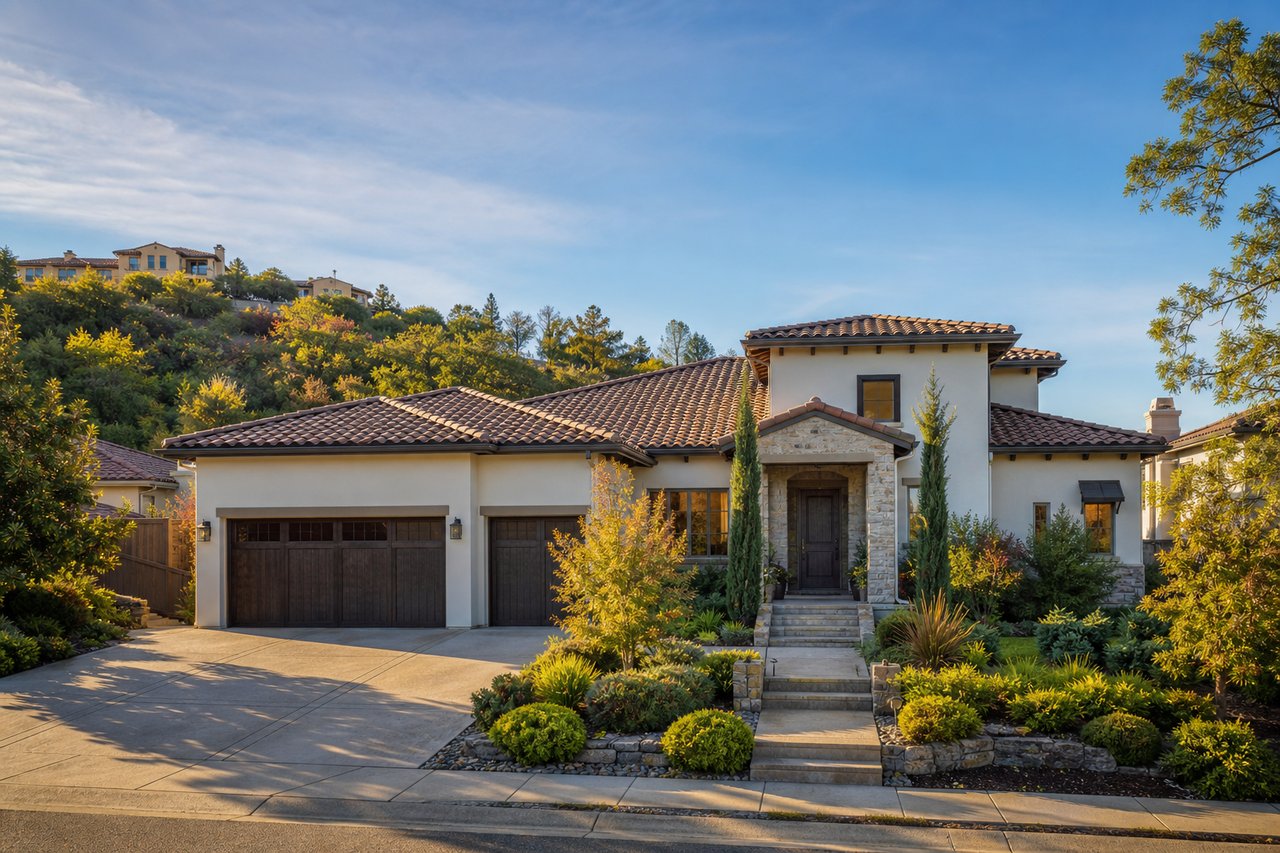
If you own in a corridor community, the growth story is part of your home's value proposition, but only if it's told correctly. Buyers evaluating El Dorado Hills or Folsom are often comparing your home to new construction. The way to win that comparison isn't to undercut the builder; it's to position your home's established lot, mature landscaping, and existing community infrastructure as things a new build can't offer for years.
Sellers in growth corridors sometimes make the mistake of waiting for "the next phase" of appreciation before listing. In my experience, that timing rarely works out the way they expect. Pricing strategically from day one, based on where the market actually is rather than where you hope it's going, consistently produces better outcomes than chasing a moving target.
If you're weighing a move-up sale or considering whether to sell your current home before buying into a newer corridor community, the move-up buyer guide for Highland Hills covers that decision framework in detail.
For Investors: What the Data Actually Supports
The corridor has attracted investor attention for good reason. According to National Association of Realtors research on migration patterns, the Sacramento region has been a consistent net recipient of in-migration from higher-cost California metros, which supports rental demand and long-term price appreciation in well-located suburban markets.
The U.S. Census Bureau tracks population growth at the county and place level, and both El Dorado County and the City of Folsom have shown above-average growth rates relative to California as a whole. Population growth is the most durable driver of housing demand, and the corridor's numbers have supported that thesis consistently.
That said, investor returns depend heavily on the specific property, price point, and submarket. The corridor is not a monolith. A single-family home in Folsom Ranch performs differently than a resale in Serrano or a lot in an emerging El Dorado County specific plan area. Your specific numbers depend on purchase price, financing structure, and rental market conditions at the time you close, that's exactly the kind of analysis I work through with investor clients before they commit.
Corridor Submarket | Development Stage | Primary Buyer Profile | Key Investment Consideration |
|---|---|---|---|
Folsom Ranch | Active build-out | New construction buyers, relocators | New supply competes with resale; builder incentives affect comps |
Serrano / Serrano Country Club | Established, HOA-governed | Luxury move-up, golf lifestyle | HOA fees and gate community premiums factor into value |
Blackstone | Established master-plan | Family buyers, move-up | Strong resale demand; proximity to retail corridor |
Empire Ranch | Mature, golf-adjacent | Move-up, second home | Stable, lower turnover; appreciation tied to Folsom overall |
Marble Valley / Green Springs Ranch | Entitlement / early build | Early adopters, investors | Higher upside potential; longer horizon, more execution risk |
Carson Creek / Folsom (south) | Active build-out | First-time buyers, young families | Entry-level price points; strong rental demand fundamentals |
The Planning Layer Most Buyers Miss
One of the most overlooked research tools for corridor buyers and investors is the El Dorado County General Plan and the City of Folsom's General Plan and specific plan documents. These are public records that show exactly where growth is planned, what land uses are entitled, and where infrastructure is committed. If you're buying near a parcel that's currently open land, knowing whether it's zoned for a park, a retail center, or 400 more homes is material information.
California's Government Code Section 65300 requires every city and county to maintain a general plan, which means this information is publicly available and legally required to be kept current. I pull these documents routinely when I'm helping clients evaluate a specific parcel or neighborhood, because what's planned around your future home matters as much as the home itself.
The SACOG Metropolitan Transportation Plan is the other document worth understanding, it maps out regional transportation investment priorities over a multi-decade horizon and gives you a clear picture of where public dollars are committed along the corridor.
If you want a deeper look at how Folsom's investment landscape breaks down neighborhood by neighborhood, the Folsom real estate investment guide covers current market conditions and submarket comparisons in detail.
If you'd like to know what these growth dynamics mean for your specific property or target neighborhood, I'm happy to walk through the numbers with you directly. That's the kind of conversation where a local market analysis makes the difference between a good decision and a great one.
Curious what other buyers and sellers have experienced working with me? You can read my reviews on Google and Zillow.
Frequently Asked Questions
Which Highway 50 corridor communities have the most new development activity right now?
Folsom Ranch on the south side of Folsom and the emerging El Dorado County communities of Marble Valley and Green Springs Ranch represent the most active new development pipelines as of 2026. The City of Folsom's Planning Division and the El Dorado County Planning Department both publish active permit and specific plan data. Established communities like Serrano, Blackstone, and Empire Ranch are largely built out, so activity there is resale-driven rather than new construction.
Does living along Highway 50 affect home values positively or negatively?
Proximity to Highway 50 is generally a positive value driver in this market because it enables the commute patterns, to Sacramento, Rancho Cordova, and even the Bay Area, that make these communities attractive to a wide buyer pool. Specific parcels immediately adjacent to the freeway may see noise-related discounting, but communities set back from the highway with good interchange access consistently command premiums relative to more isolated locations. The key variable is how a specific neighborhood is positioned relative to the interchange, not freeway proximity in the abstract.
Is El Dorado Hills a good place to invest in real estate in 2026?
El Dorado Hills has demonstrated consistent long-term appreciation driven by its employment proximity, master-planned community infrastructure, and in-migration from higher-cost California metros. Investment performance depends on the specific submarket, price point, and your investment horizon. Newer communities like Marble Valley carry more upside potential but also more execution risk; established communities like Serrano offer stability but less dramatic near-term appreciation. A current market analysis of your target submarket is the right starting point before committing capital.
How does the Bay Area relocation trend affect the Highway 50 corridor market?
Bay Area in-migration has been one of the most consistent demand drivers for corridor communities over the past several years. Buyers arriving with Bay Area equity can purchase at price points that represent significant upgrades over what they left, which supports the move-up and luxury segments in communities like Serrano, Highland Hills, and The Promontory. According to California Association of Realtors migration data, the Sacramento region has been among the top destinations for Bay Area out-migrants, a trend that has shown resilience even as remote-work policies have evolved.
What should I research before buying in a newer corridor community like Folsom Ranch?
The most important items are the specific plan documents (which govern land use around your home), Mello-Roos and CFD (Community Facilities District) tax obligations, HOA structure and reserves, and school attendance boundaries. In California, Mello-Roos assessments can add meaningfully to annual carrying costs and are disclosed in the preliminary title report, reviewing that document carefully before removing contingencies is essential. The El Dorado County and City of Folsom websites both publish CFD and special assessment information for their respective jurisdictions.
The Bottom Line
The Highway 50 corridor isn't just growing, it's growing in ways that are documented, planned, and publicly accessible if you know where to look. The buyers and investors who outperform in this market are the ones who understand the planning layer underneath the listing data, not just the current comps.
I've spent my career in this corridor, and I know how to translate what's in a general plan, a specific plan, or a CFD disclosure into a clear picture of what a property is actually worth and where it's headed. If you're ready to run the numbers on a specific neighborhood or home, get your free home valuation and market analysis here.
Equal Housing Opportunity. Tiegen Boberg, Broker Associate, Nick Sadek Sotheby's International Realty; Member, MetroList MLS (Sacramento Region). Licensed by the California Department of Real Estate. This article is general information only and is not legal, tax, or financial advice. Readers should confirm all property details, tax obligations, and transaction costs with their attorney, tax advisor, lender, or escrow officer before making any real estate decision.