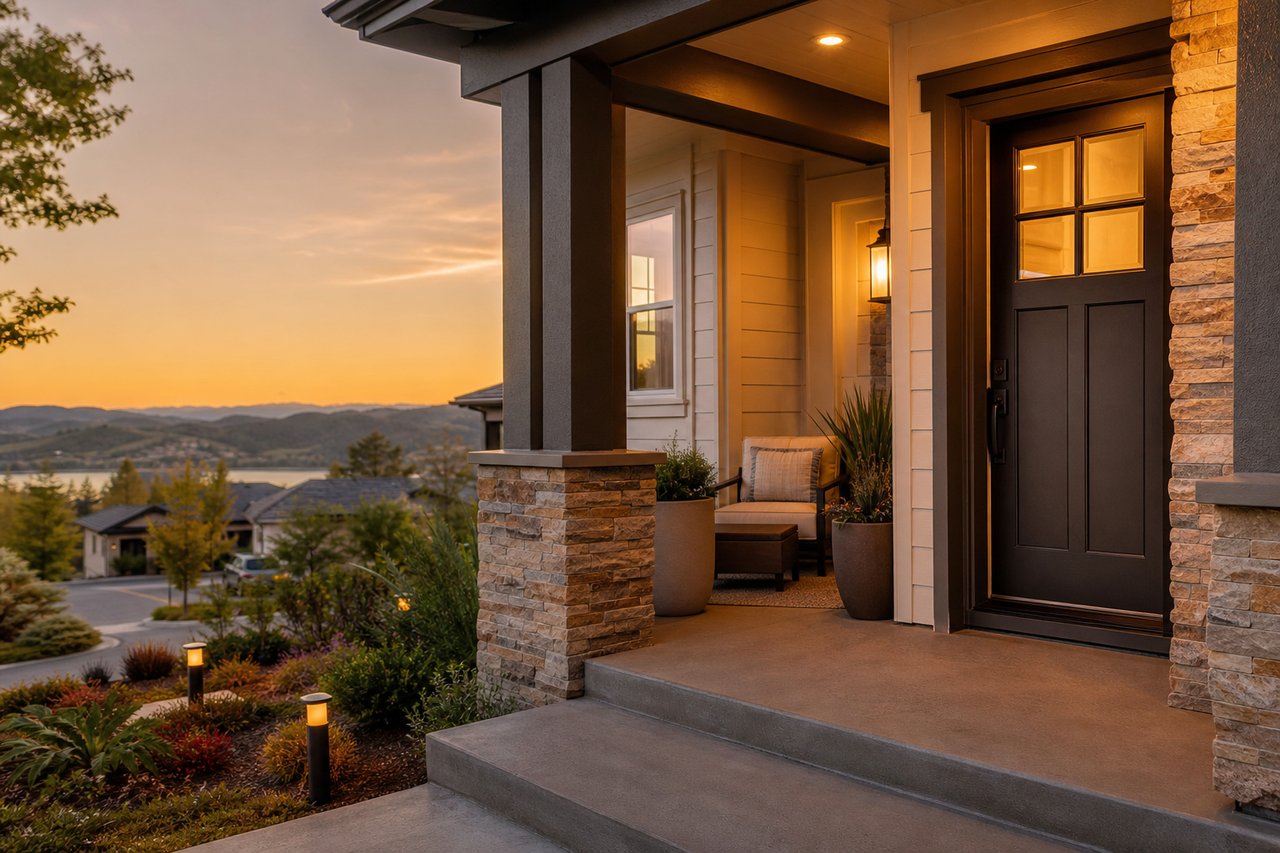
Buying in Ridgeview and wondering what actually happens between offer acceptance and getting the keys? Escrow can feel like a black box, especially with local factors like wildfire insurance and HOA paperwork. Here, you’ll get a clear, step-by-step timeline, the key documents to expect, and Ridgeview-specific tips to keep your closing on track. Let’s dive in.
How long escrow takes
For most financed purchases in California, escrow typically runs about 30 to 45 days. Cash purchases often close faster, usually 7 to 14 days, since there is no lender underwriting. Your exact timeline is negotiable and set in the purchase agreement. If the home is in an HOA or there are title or appraisal complications, expect a few extra days.
Step-by-step timeline
Day 0 to 2: Open escrow and deposit
Once your offer is accepted, escrow is opened with a neutral third party. You will send your earnest money deposit within the timeframe in your contract, commonly within 2 to 3 business days. Escrow holds the funds and follows written instructions from buyer and seller.
Day 0 to 3: Seller disclosures arrive
The seller delivers required California disclosures. Expect the Transfer Disclosure Statement, Natural Hazard Disclosure, lead-based paint disclosure for homes built before 1978, and any HOA documents. Review them promptly for red flags.
Day 0 to about 17: Inspections and due diligence
Use your inspection period to order a general home inspection and any specialty inspections. In Ridgeview, it is smart to consider roof, pest, foundation, chimney, and major systems. If the property has septic or a private well, schedule those inspections early. Review neighborhood and hazard details, including wildfire risk and defensible space.
Day 7 to 21: Appraisal is ordered and completed
After you apply for your loan, the lender orders the appraisal. Scheduling and the report often take one to two weeks depending on demand. If value comes in low, you may negotiate, adjust your down payment, or cancel if protected by an appraisal contingency.
Day 10 to 30: Title search and prelim report
The title company issues a preliminary title report for you to review. This report outlines liens, easements, and recorded restrictions. If any issues appear, your team will work with escrow and title to clear them.
By your contingency deadlines: Remove or extend
Before deadlines, you will decide whether to remove your inspection, appraisal, loan, title, and HOA contingencies. You can also request repairs or credits, or negotiate deadline extensions through written amendments if needed.
Day 21 to 45: Final underwriting
Your lender completes final underwriting, confirms conditions, and issues the clear to close. You will provide insurance proof, updated financials, and any HOA documents the lender requests.
Three business days before signing: Closing Disclosure
Most loans require the lender to deliver a Closing Disclosure at least three business days before consummation. Review fees, credits, and cash to close. Ask questions now so signing is smooth.
Close of escrow: Funding and recording
When loan and down payment funds are in escrow and all instructions are met, the title company records the new deed with the county recorder. Once recording is confirmed, escrow releases keys. Title insurance is issued and funds are disbursed to the seller.
Key documents and contingencies
Seller disclosures to review
- Transfer Disclosure Statement
- Natural Hazard Disclosure, including fire, flood, and seismic zones
- Lead-based paint disclosure for pre-1978 homes
- Pest or wood-destroying organism information when available
- Any local disclosures and HOA documents
Buyer-ordered inspections
- General home inspection
- Roof, pest, foundation, chimney, HVAC, plumbing, and electrical
- Septic or well inspection if applicable
- Wildfire risk or defensible space review for hillside properties
Title and loan paperwork
- Preliminary title report and title insurance
- Escrow instructions, deed, and closing documents
- Loan application and disclosures, appraisal report, and Closing Disclosure
Common contingencies
- Inspection contingency
- Loan contingency
- Appraisal contingency
- Title contingency
- HOA document review contingency
Contingency periods are negotiable. The California standard contract often uses around 17 days for many buyer investigations, but your agreement controls the timeline.
Who does what in escrow
- Buyer: Delivers deposit, orders inspections, completes loan steps, secures insurance, reviews disclosures, and removes contingencies on time.
- Seller: Provides disclosures, allows access for inspections, responds to repair or credit requests, and signs closing documents.
- Buyer’s agent: Coordinates inspections, reviews disclosures with you, tracks deadlines, and helps negotiate issues.
- Seller’s agent: Delivers disclosures and coordinates property access.
- Escrow officer: Holds funds, prepares settlement statements, follows written instructions, and coordinates recording and disbursements.
- Title company: Performs title search, clears issues, and issues title policies.
- Lender: Orders the appraisal, underwrites the loan, and wires funds at closing.
- Inspectors and appraisers: Provide reports required for your decisions and for lender approval.
Ridgeview local factors to verify
Wildfire risk and insurance
Portions of El Dorado Hills have elevated wildfire risk, which can affect insurance availability and cost. Start shopping for insurance as soon as your offer is accepted. Ask about defensible space requirements and any local vegetation management rules. Share your insurance binder with your lender early so funding is not delayed.
Natural hazard details
Your Natural Hazard Disclosure will outline local designations. Pay close attention to wildfire and any landslide or erosion notes for hillside lots. Ask questions if anything is unclear.
HOA documents and timelines
Many Ridgeview homes are in HOAs. Budget time to receive and review CC&Rs, bylaws, budgets, reserve studies, and any special assessment information. HOA processing can add days, so confirm your contract review period and track delivery.
Septic, wells, and utilities
Most homes in El Dorado Hills are on municipal or local sewer, but verify for the specific address. If there is a septic system or private well, plan inspections and any required permits early in escrow.
County recording and permits
Recording workload can affect the exact time your deed records on closing day. Also review the preliminary title report for any unresolved liens or permit items. Your team can coordinate with the title company to address issues quickly.
Delays and solutions
- Loan or underwriting conditions: Send lender documents promptly and confirm status in writing. Ask for a clear list of conditions and an expected clear-to-close date.
- Low appraisal: Discuss price adjustments, seller credits, or a larger down payment. If you have an appraisal contingency, you may cancel if terms are not acceptable.
- Insurance challenges due to wildfire risk: Engage an insurance broker early. Compare options and premiums as soon as you enter escrow.
- Title defects or liens: Have escrow request payoffs immediately. Allow time for resolution and be ready to extend deadlines if needed.
- Slow HOA documents: Confirm HOA contact on day one. If delays arise, adjust contingency dates in writing.
- Repair disputes: Focus on health, safety, and system functionality. Use clear requests or credits, and document agreements through escrow amendments.
- County recorder backlog: Escrow will monitor recording queues. Discuss options if you need a specific close date.
Buyer checklist for Ridgeview
Right after acceptance
- Open escrow and send earnest money by the deadline
- Review seller disclosures and the Natural Hazard Disclosure
- Order general and specialty inspections
- Apply for your mortgage and send all requested documents
- Start homeowners insurance quotes and secure a binder early
During your contingency period
- Review inspection reports and prioritize requests
- Confirm appraisal order and track timing
- Receive and review HOA documents, fees, and any assessments
Before removing contingencies
- Finalize repair requests or credits
- Confirm loan underwriting status and conditions
- Decide on contingency removals or extensions in writing
Final week before close
- Review your Closing Disclosure, due at least three business days before signing
- Confirm wire instructions directly with escrow by phone to avoid fraud
- Schedule your final walkthrough to verify condition and repairs
Closing day
- Ensure your insurance binder is with your lender and escrow
- Wire final funds and confirm receipt
- Wait for recording confirmation, then pick up keys
Close and get keys with confidence
Escrow moves fast when everyone knows the plan, the dates, and the local factors that matter. In Ridgeview, wildfire insurance, HOA timelines, and title details can shape your schedule. With an organized approach, you can move from acceptance to recording on time and with fewer surprises.
If you want a hands-on guide who tracks every step, communicates clearly, and knows Ridgeview block by block, connect with Tiegen Boberg. You will work directly with Tiegen, not an assistant, and you will have concierge-level support from offer to keys.
FAQs
How long does escrow take for a Ridgeview home?
- Financed purchases commonly take 30 to 45 days, while cash purchases often close in 7 to 14 days, depending on appraisal, title, HOA, and local factors.
What is the first escrow step after my offer is accepted?
- Open escrow and send your earnest money deposit within the contract deadline, then review seller disclosures as they arrive.
What disclosures will I receive in California?
- You will receive a Transfer Disclosure Statement, Natural Hazard Disclosure, lead-based paint disclosure for pre-1978 homes, and HOA documents when applicable.
What if the appraisal is lower than the price?
- You can renegotiate with the seller, increase your down payment, or cancel if you have an appraisal contingency that allows it.
How does wildfire risk affect Ridgeview buyers?
- Insurance can be costlier or harder to secure, so start quotes early, confirm a binder for your lender, and review defensible space requirements.
Who holds my earnest money during escrow?
- The escrow company holds your deposit as a neutral third party until closing or as directed by the purchase agreement.