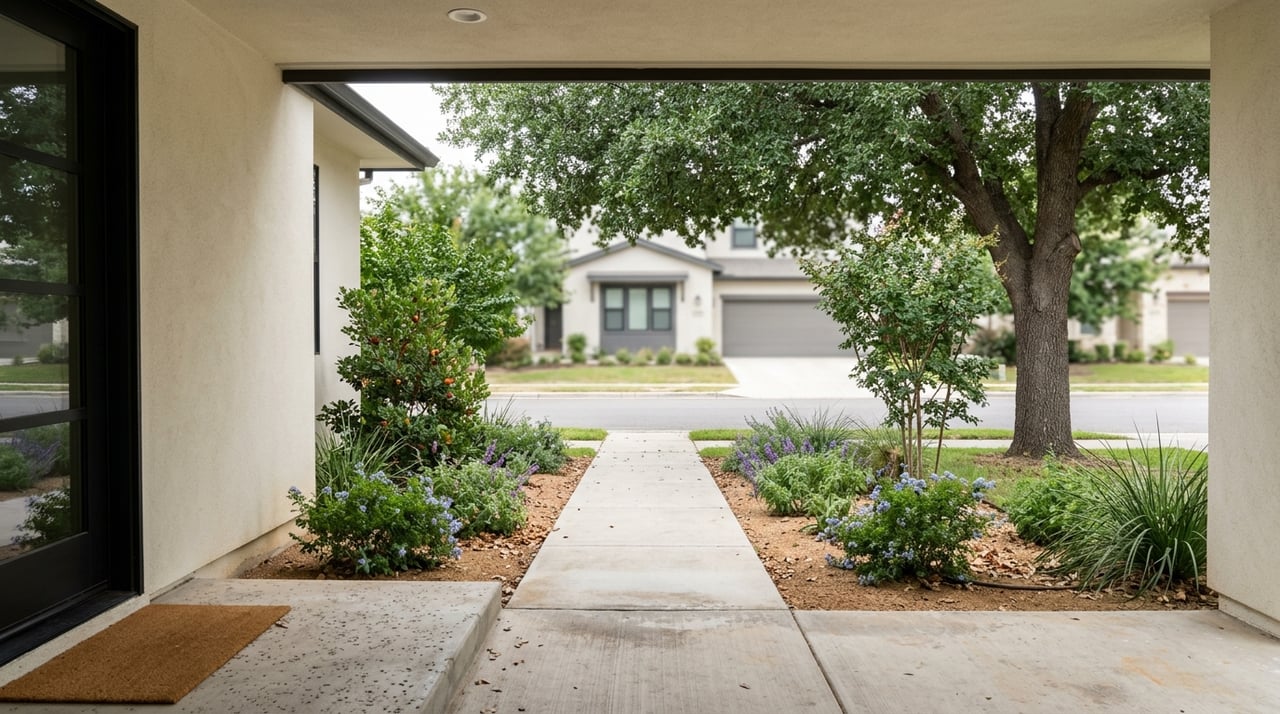
Thinking about relocating to Folsom? You are not alone. For many buyers, Folsom stands out because it offers more than one version of suburban living, with historic streets, established neighborhoods, newer planned communities, and direct regional commute options all in one city. If you are trying to figure out where to live based on your drive, your daily routine, and the kind of home you want, this guide will help you sort through the options clearly. Let’s dive in.
Why Folsom Appeals to Relocating Buyers
Folsom sits about 25 miles east of Sacramento and functions as a full-service community with a strong employer base, wide shopping and dining options, and extensive recreation. That matters if you want a city that supports both your workweek and your weekends.
It also helps to think of Folsom as three broad settings instead of one single market. In practical terms, most relocation decisions come down to the Historic District, established neighborhoods north of Highway 50, or the newer Folsom Plan Area south of Highway 50.
Start With Your Commute
When you relocate, your commute often shapes everything else. Before you focus on finishes, lot size, or even neighborhood character, it helps to decide how you want to move through the region each day.
Highway 50 is the main east-west corridor connecting Folsom with Sacramento, Rancho Cordova, El Dorado County, and surrounding job centers. The city is also advancing the US 50/Empire Ranch Road Interchange project, which is intended to improve connections south of 50 and reduce congestion and travel time over time.
For buyers looking south of Highway 50, the Capital SouthEast Connector is another important project to know. The city describes it as a 34-mile expressway with a parallel bicycle and pedestrian trail that will connect Folsom with El Dorado Hills, Rancho Cordova, and Elk Grove while helping relieve pressure on Highway 50.
If you plan to commute into downtown Sacramento, light rail may matter just as much as freeway access. SacRT’s Gold Line runs from Historic Folsom to Sacramento Valley Station, with Folsom-area stations at Hazel, Iron Point, Glenn/Robert G. Holderness, and Historic Folsom, and most Folsom trips operate every 15 minutes each hour.
Historic Folsom for Character and Walkability
If you want a setting with older character, local shops, dining, and a more walkable feel, Historic Folsom is the clearest fit. The city describes the revitalized Historic District as a premier shopping, dining, and nightlife destination, which gives this part of town a different rhythm than the larger suburban sections of Folsom.
From a housing perspective, this area may appeal to buyers who like homes with personality and a central location. It can be a strong choice if you want to be close to everyday activity and enjoy a neighborhood feel that is less defined by newer subdivision patterns.
There is one practical difference you should not overlook. The Historic District is governed by specific zoning and design standards, and exterior changes, additions, signage, and accessory structures can trigger design review, even though some minor projects have been streamlined in the city’s 2025 to 2026 updates.
That does not make Historic Folsom better or worse than other parts of the city. It simply means you should factor property rules into your decision if you are considering remodeling, adding an ADU, or making visible exterior changes after you move in.
North of Highway 50 for Established Convenience
If your goal is a classic suburban layout with established streets, detached homes, parks, retail access, and a location close to the civic core, the neighborhoods north of Highway 50 are often the natural starting point. This broad area includes places like Broadstone, Willow Springs, Natoma Station, and American River Canyon in the city’s planning and infrastructure context.
These neighborhoods represent what many relocating buyers picture when they think of Folsom. You will generally find the city’s more established detached-home pattern here, along with convenient access to shopping nodes, everyday services, and community amenities.
Broadstone is notable because it sits near one of Folsom’s major retail areas, including Palladio. For buyers who want quick access to shopping, dining, and errands without giving up a residential setting, that convenience can be a major plus.
Natoma Station and American River Canyon are also part of the broader established-neighborhood story. The city continues to address infrastructure and maintenance in these areas, which is useful context if you are comparing mature neighborhoods with newer communities still being built out.
South of Highway 50 for Newer Construction
If newer homes top your wish list, the Folsom Plan Area is likely where you will spend the most time looking. This 3,520-acre area is bounded by Highway 50, White Rock Road, Prairie City Road, and the El Dorado County line, and it represents Folsom’s newest major growth area.
The city identifies current neighborhoods here as Broadstone Estates, Enclave at Folsom Ranch, Folsom Heights, Mangini Ranch, Russell Ranch, and White Rock Springs Ranch. First homes were occupied in 2019, and the area now includes The Shops at Folsom Ranch, Station 34, and Prospector Park.
For many relocation buyers, the appeal is straightforward. You may find newer floor plans, a more master-planned feel, and a community that was designed with current growth in mind.
At the same time, buildout is still ongoing in parts of south Folsom. That means some buyers will love the newer-product feel and planned infrastructure, while others may prefer the more established convenience of older neighborhoods north of 50.
Transit-Friendly Areas for Sacramento Commuters
If you want to reduce drive time or keep a rail option in your back pocket, housing near Iron Point and Glenn/Robert G. Holderness deserves a close look. The city’s housing policies specifically concentrate more intensive housing near those station areas, which makes them especially relevant for buyers who value transit access.
This part of the market can include apartments, condominiums, townhomes, and other higher-density options near mixed-use nodes and transit corridors. If your relocation goal is to stay connected to Sacramento while keeping maintenance lower or maximizing convenience, these areas can make a lot of sense.
Historic Folsom also connects to the Gold Line, so transit access is not limited to only one section of the city. The difference is usually more about housing style, neighborhood atmosphere, and how close you want to be to the station environment.
How Home Type Often Matches Location
Folsom’s housing stock is still heavily oriented toward detached homes. The city says 77% of housing units are detached single-family homes, which helps explain why many buyers moving to Folsom start with traditional suburban home searches.
Still, the city’s planning documents show a broader mix across different areas. The Folsom Plan Area includes detached homes, duplexes, patio homes, and multi-family housing, while objective design standards identify apartments, condominiums, and townhomes near East Bidwell, the Folsom Boulevard transit-oriented area, and the Folsom Plan Area Town Center.
That creates a useful shortcut for your search. In general, historic properties and ADU-sensitive lots tend to be more common in the core, established suburban homes tend to cluster north of 50, and newer planned homes or multi-family options are more likely south of 50 and near transit-oriented areas.
Lifestyle and Amenities Across Folsom
A relocation decision is never only about commute time. You also want to know what daily life will feel like once the boxes are unpacked.
Folsom has a strong recreation network. The city says nearly every home is within a half-mile of a park, and residents have access to more than 50 miles of recreational trails.
The city also highlights Folsom Lake, Lake Natoma, and the American River for water-based recreation and outdoor access. Lake Natoma stands out for many households because it is described as calm, protected water with a 5-mph limit, which supports casual paddling and easy weekend use.
On the amenities side, Folsom’s most recognizable shopping and activity nodes include Palladio Shopping Center at Broadstone, Folsom Premium Outlets, and the Historic District. Everyday lifestyle options also include the Folsom Public Library, Folsom City Zoo Sanctuary, Folsom City Lions Park, and the Harris Center.
This mix is one reason Folsom often works well for relocation buyers. It is not just a place to sleep between commutes. The city offers multiple ways to shape your routine around outdoor access, shopping convenience, entertainment, and neighborhood feel.
A Simple Way to Narrow Your Search
If you are feeling torn between several parts of Folsom, keep your decision framework simple. Match the commute first, then the home style, then the lifestyle extras.
That usually means Historic Folsom if you want character and walkability, north-of-50 neighborhoods if you want established suburban convenience, Folsom Ranch and the Plan Area if you want newer master-planned housing, and Iron Point or Glenn-adjacent areas if you want stronger rail access to Sacramento.
Relocating is easier when you have a local guide who can help you weigh those tradeoffs in real time. If you want direct, hands-on help narrowing your options in Folsom and the eastern Sacramento suburbs, connect with Tiegen Boberg for personal, white-glove service.
FAQs
What are the main neighborhood types in Folsom for relocating buyers?
- Folsom is easiest to understand in three broad settings: Historic Folsom, established neighborhoods north of Highway 50, and the newer Folsom Plan Area south of Highway 50.
Which Folsom areas are best for a Sacramento commute?
- Buyers commuting to Sacramento often focus on Highway 50 access or homes near Gold Line stations such as Iron Point, Glenn/Robert G. Holderness, and Historic Folsom.
What should buyers know about living in Historic Folsom?
- Historic Folsom offers character, walkability, shopping, and dining, but exterior changes, additions, and some accessory structures may require design review under Historic District standards.
What is the Folsom Plan Area south of Highway 50?
- The Folsom Plan Area is the city’s newer growth area that includes neighborhoods such as Mangini Ranch, Russell Ranch, Folsom Heights, and White Rock Springs Ranch, along with newer amenities and ongoing buildout.
Are most homes in Folsom single-family homes?
- Yes. The city says 77% of Folsom housing units are detached single-family homes, though condos, townhomes, apartments, duplexes, and patio homes are also part of the local housing mix in targeted areas.
What amenities make Folsom attractive for relocation?
- Folsom offers broad shopping and dining options, more than 50 miles of recreational trails, access to Folsom Lake and Lake Natoma, and community amenities like parks, the library, the zoo sanctuary, and the Harris Center.