Thinking about a gated neighborhood in Southpointe and wondering if it fits your lifestyle? You want privacy and a sense of order, but you also want to understand the trade-offs before you commit. In this guide, you’ll learn what gated living typically includes, how it works day to day, the costs to plan for, and what to confirm before you buy or sell in Southpointe. Let’s dive in.
What gated living means in Southpointe
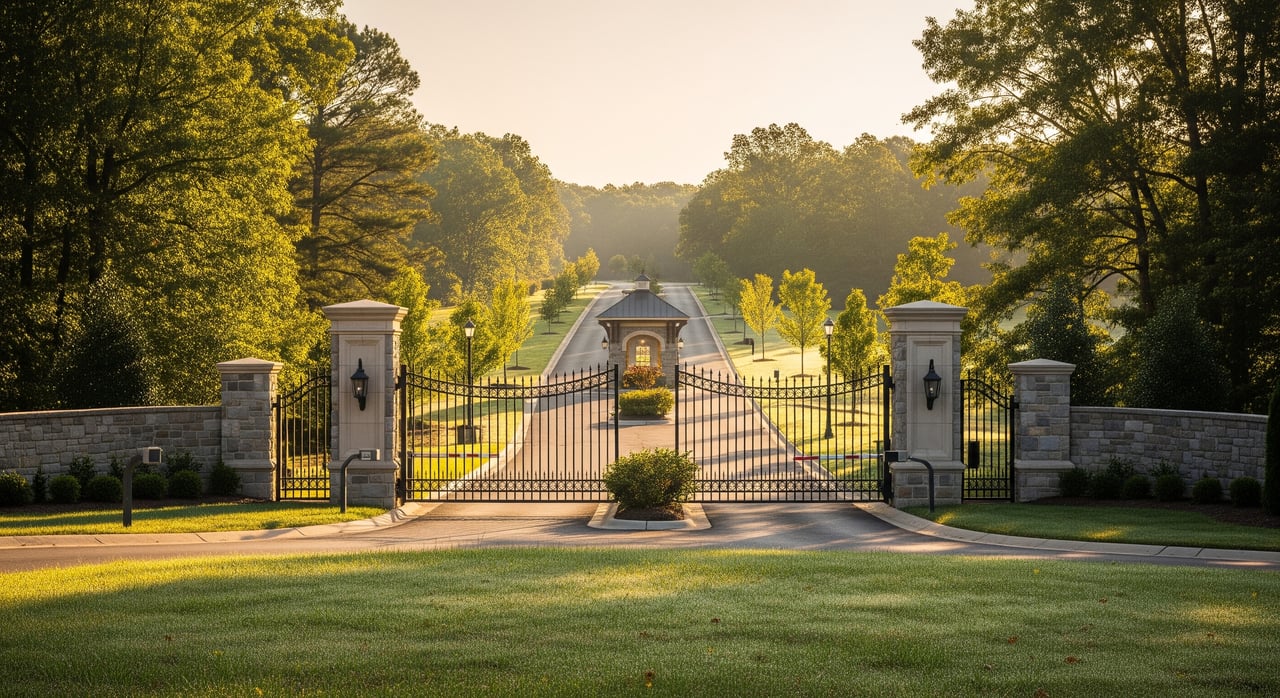
Gated living usually means a controlled entry into a defined neighborhood or enclave. In Southpointe, setups can vary, so you’ll want to confirm how your specific community operates. Gate types typically include staffed guardhouses, automated gates with fobs or codes, or semi-gated areas like a single gated road or cul-de-sac.
Most gated areas include features such as perimeter fencing, controlled guest access, security cameras, and private amenities like a clubhouse, pool, or walking trails. Many also have a homeowners association that manages standards and common areas. Keep in mind that a gated community does not always mean private roads. Some have private streets maintained by the HOA, while others have public streets with gates. This difference affects who maintains and plows roads, how municipal services operate, and how emergency access works.
Benefits and trade-offs to weigh
Potential benefits
- Perceived privacy and fewer drive-throughs due to controlled access.
- Community standards and consistent upkeep guided by HOA rules.
- On-site amenities and quieter internal streets in many enclaves.
- Market differentiation that can appeal to buyers who value prestige or privacy.
Common trade-offs
- Recurring costs for HOA dues, gate upkeep, security, and landscaping.
- Rules on design, rentals, pets, and guest access that may feel restrictive.
- Access steps for visitors and vendors, and occasional gate outages.
- A narrower buyer pool at resale if some shoppers prefer open neighborhoods.
Day-to-day life and access
Daily life in a gated neighborhood runs smoothly when access policies are clear and well-communicated. Ask how guests, rideshare drivers, and deliveries get in. Some communities require a call box, a pre-approved guest list, or a temporary code. Service providers may need vendor passes or scheduled entry.
Confirm emergency access protocols. Many communities have recorded access codes or strobe-trigger devices for first responders, but procedures can vary. Clarify how outages are handled, where you report issues, and typical response times for repairs. Understanding these practical details will help you plan everyday routines and avoid surprises.
Costs, HOAs, and governance
Gated living often comes with HOA fees. These can cover gate operation and maintenance, security services, landscaping of common areas, community insurance, reserve funding for major repairs, and amenity upkeep. Ask for a clear breakdown of what your dues include.
Review the governing documents before you make an offer. Look for the CC&Rs, bylaws, rules and regulations, current budget, and recent financial statements. Ask about reserve funding levels, any history of special assessments, and whether projects are planned. Find out if the HOA uses a professional management company or a volunteer board and how owners contact management for support.
Location, commute, and amenities
Southpointe’s appeal includes proximity to employment centers, shopping, dining, and recreation. When you evaluate a specific gated enclave, confirm your preferred commute routes to downtown Pittsburgh and nearby business parks. Note access to parks, trails, fitness and golf options, medical facilities, and airport routes that matter to your lifestyle.
If a golf course, clubhouse, or private trails are part of the gated area, learn whether access is included with HOA dues or requires separate membership. Also ask about guest policies for using amenities.
Insurance, lending, and taxes
Gating can influence how some insurers and lenders view a property, especially if private roads or gate infrastructure are involved. Ask your insurance agent whether the community’s security features affect premiums and what coverage you need for shared elements. If the roads are private, confirm how liability and maintenance are handled.
Speak with your lender early about any requirements for gated or private-road properties. Verify that common loan programs accept the community’s setup and that any HOA documents needed for underwriting are available. For property taxes, review local municipality and county information so you understand rates and any special assessments applicable to the neighborhood.
Schools and municipal services
Confirm the school district that serves your address using official district resources. If school commutes matter, map out typical drive times during your normal schedule. Keep descriptions of schools neutral and rely on direct district information.
Ask how trash and recycling pickup works, who handles snow removal, and whether the roads are public or private. Clarify who maintains street lighting, sidewalks, and landscaping inside the gate. Verify emergency services procedures to ensure police, fire, and EMS have reliable access.
Resale reality in Southpointe
Gated status can attract certain buyers who value privacy, amenities, and consistent neighborhood standards. At the same time, it can narrow the buyer pool for those who prefer fewer rules or lower monthly costs. Market performance can differ between gated and non-gated homes based on current demand, price points, and amenities.
If you are buying, study recent comparable sales for both gated and nearby non-gated properties to understand any pricing differences. If you are selling, highlight the aspects of your community that align with buyer priorities, such as privacy, curb appeal, amenity access, and consistent maintenance standards. Review rental restrictions in the CC&Rs, as they can affect investor interest and overall demand.
Buyer checklist: 10 things to confirm
- Gate type and staffing: staffed guard, electronic gate, or semi-gated, plus operating hours.
- Road status: public or private streets and who maintains them.
- HOA fees: current amounts, what they cover, and billing schedule.
- Reserves and assessments: reserve funding levels and any history of special assessments.
- Access policies: guests, deliveries, rideshare, contractors, and vendors.
- Emergency access: protocols for police, fire, and EMS entry.
- Rules and restrictions: architectural guidelines, rental rules, pet policies, parking, and landscaping standards.
- Amenities: what is included, what requires separate fees, and guest policies.
- Insurance and lending: coverage needs for gated elements and lender requirements for private roads or HOAs.
- Market context: recent comps for gated and nearby non-gated homes to gauge pricing and days on market.
Seller checklist: how to prepare
- Gather documents: CC&Rs, bylaws, rules, budget, financials, and any reserve studies.
- Provide clarity on costs: current HOA dues, what they include, and any pending assessments.
- Explain access: simple instructions for showings, guests, and deliveries during the listing period.
- Highlight strengths: curb appeal, quiet internal streets, and amenity access that fit buyer needs.
- Prepare maintenance records: gate-related assessments or repairs, exterior upkeep, and recent improvements.
- Offer context: outline how services like trash, snow removal, and street maintenance are handled.
- Address rentals: note any restrictions and how they help maintain community standards.
- Stage and present: emphasize privacy features, outdoor spaces, and community amenities.
Is gated living right for you?
If you value controlled access, community standards, and on-site amenities, a gated enclave in Southpointe could be a great fit. If you prefer fewer rules, lower monthly costs, or simpler guest access, a non-gated option might serve you better. The key is to confirm how each community operates and whether it matches your day-to-day needs and long-term plans.
Ready to talk through your options and next steps? For personal, white-glove guidance from a single, accountable advisor, connect with Tiegen Boberg.
FAQs
Does a gate reduce crime in Southpointe neighborhoods?
- Controlled access can reduce casual cut-through traffic, but crime patterns vary by area and over time. Review local public safety data and community policies for a clearer picture.
How much are HOA fees in Southpointe gated enclaves?
- Fees vary by community and what they include. Ask for a current fee schedule, a breakdown of covered services, and recent financial statements.
Are Southpointe gates staffed 24/7?
- Staffing levels depend on the specific enclave. Confirm whether the gate is staffed, automated, or mixed, and note the posted operating hours.
Will a gate slow down guests and deliveries?
- Visitors may need codes or approval, which can add a small step. Clarify the process for guests, rideshare drivers, and service providers to minimize delays.
Can I rent my Southpointe property short-term or long-term?
- Rental rules are set by the HOA. Review the CC&Rs for length-of-lease minimums, application steps, and any caps or restrictions.
How does gating affect resale value in Southpointe?
- Market impact varies with buyer demand, amenities, and fee levels. Compare recent sales for gated and nearby non-gated homes to understand current trends.
Who pays for gate repairs and private road upkeep?
- In most HOAs, owners fund common-area maintenance through dues and reserves. Ask for maintenance responsibilities, reserve studies, and any recent assessments.
Do lenders and insurers treat gated homes differently?
- Some lenders and insurers ask for additional documentation when private roads or gate infrastructure are involved. Check with your lender and insurance agent early in the process.
How do contractors and utilities access a gated Southpointe home?
- Policies vary by community. Contractors may need temporary codes, vendor passes, or approval from management. Utilities and emergency services typically have established access procedures.